Introduction
Professional drivers are at high risk of developing musculoskeletal disorders (MSDs) due to risk factors such as manual handling of loads, prolonged sitting, whole-body vibration and awkward working postures. Preventing MSDs among professional drivers requires a comprehensive approach based on risk assessment and workplace policies including technical and organisational measures, as well as implementing safe and healthy practices by both employers and drivers.
Risk factors for MSDs among professional drivers
Musculoskeletal disorders (MSDs) are the most common work-related health problem in Europe[1], affecting millions of workers. They represent one of the most frequent causes of work-related incapacity to work in Europe and cover a broad range of health problems: from discomfort, minor aches and pains, to more serious medical conditions which can lead to permanent disability. They can affect the back, neck, shoulders and upper and lower limbs and arise from many situations, for example lifting, twisting, bending, awkward movements, stretching, and static postures.
In the EU, a professional driver refers to a person driving commercial road vehicles for the carriage of goods or passengers, holding a relevant licence and training in accordance with EU and national legislation, and comprises truck, bus, taxi, and car drivers. These professional drivers have been found to be at high risk of developing musculoskeletal health problems (see table 1). Studies show a high prevalence of MSDs among professional drivers. Lower back pain is the most frequently reported symptom[2][3][4][5]. Truck, bus and taxi drivers are particularly at risk[5]. This is unsurprising, since professional drivers spend most of the day sitting in a relatively confined space behind a wheel and exposed to driving vibrations. Low back pain is a major cause of disability among professional drivers. In addition, they face time pressure and stress, which may also lead to muscle tensions. Many professional drivers have to load or unload goods (e.g. truck drivers), baggage handling or handling wheel chairs without any assistance (e.g. taxi and bus drivers) and more. This is further aggravated by unhealthy diet, insufficient exercise and smoking as they may increase the susceptibility to low-back pain[6][7] .
Drivers have to coordinate many complex muscular movements in order to control the vehicle. Sustained posture when controlling the steering wheel and the control pedals require static muscle activities in the cervical and lumbar spine, as well as in the large joints such as the shoulders, hips and knees.
Figure 1: Truck driving - ©EU—OSHA/Ellen Schmitz-Felten
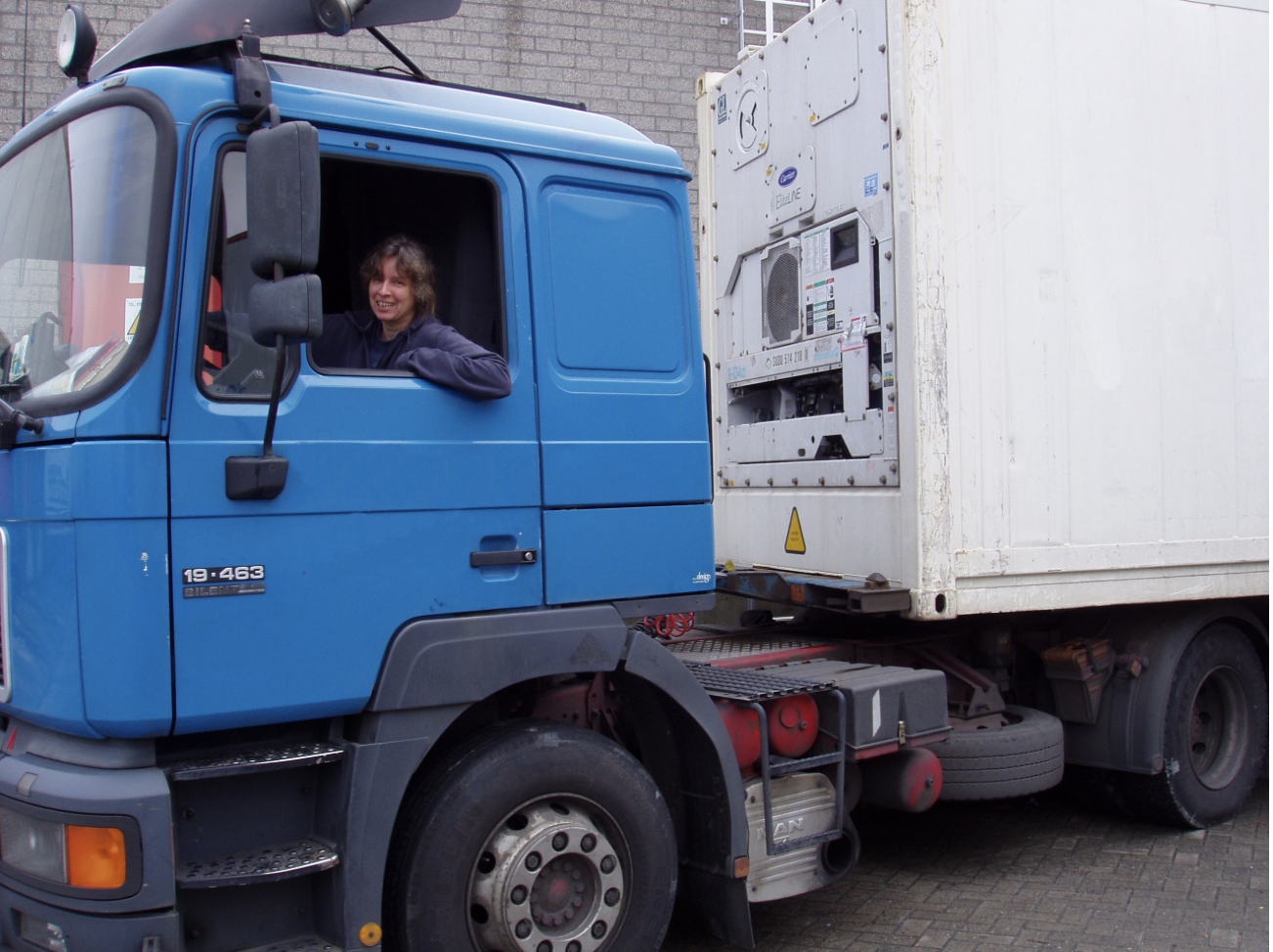
Table 1: Driving activities that increase the risk of back pain and musculoskeletal disorders.
| Driving 30 km or more a day | Two to four times risk of back pain |
| Truck Driving | Four times risk of disc ruptures |
| Car Driving | Two times risk of disc ruptures |
| Increased Vibration | Increased tension, fatigue, pain |
| Driving a bus | Back pain risk increased |
Source[8]
Truck and bus drivers suffer from low back pain as a result of prolonged sitting, poor posture, poor ergonomics, manual handling of luggage and whole-body vibration[9].
Delivery and courier service workers, travelling sales workers, and taxi drivers are exposed to a number of risk factors for low-back pain. These include[10]:
- Prolonged sitting posture, as influenced by drivers’ cab and seat design;
- Cumulative exposure to whole-body vibration;
- Static and awkward postures;
- Psychosocial hazards such as time pressure;
- Cumulative exposure to other manual handling activities, such as assisting passengers with items of baggage;
- Assisting wheelchair users.
Employers’ responsibilities to assess MSD and manual handling risks
Musculoskeletal disorders result in loss of function and pain. Employers have a legal obligation to protect the health and safety of their workers and other people who might be affected by what they do. To prevent musculoskeletal disorders effectively, the hazards in the workplace must be identified and then practical measures taken to prevent or reduce the risk they pose to the health and safety of workers[11]. Employers are therefore required to identity and assess the risks that their workers face, including the risk of injury from hazardous manual handling in the workplace as well as the risk of developing MSDs, and act on them.
Various European legal requirements concern directly or indirectly to work-related musculoskeletal disorders (MSDs).
For example:
- Directive 89/391/EEC – OSH Framework Directive[12]
- Directive 90/269/EEC - manual handling of loads[13]
- Directive 90/270/EEC - display screen equipment[14]
- Directive 2002/44/EC – vibration[15]
- Directive 2002/15/EC - working time - mobile road transport activities[16]
- Directive 2003/88/EC - working time[17]
- Directive 2009/104/EC - use of work equipment[18]
Good musculoskeletal health is an important component to a healthy working life. It supports people with mobility, balance and co-ordination, and ensures functional abilities, essential to nearly all forms of work. Action should be taken to inform and raise awareness among drivers and employers in understanding how to maintain a good musculoskeletal health and on how MSDs can be prevented in the workplace[19].
Risk assessment of physical workloads is an important part of the risk management process for preventing work-related MSDs. It comprises a multistep approach to improve workplace health and safety and productivity. The general five steps of the risk assessment procedure involve identifying hazards and those at risk, evaluating and prioritising risks, decisions on preventive actions, implementing actions and finally monitoring and reviewing the actions taken at regular intervals. Employers must also provide workers with health and safety training and consult them on OSH matters.
Prolonged sitting
Prolonged driving of motor vehicles has been found to increase the risk of low-back pain. As early as 2010 EU OSHA highlighted prolonged sitting as a significant, but underestimated risk[20]. Recent data indicate that this risk is becoming increasingly prevalent in European workplaces. According to ESENER 2024, 64% of establishments identified prolonged sitting as a workplace risk factor, up from 61% in 2019[21]. Sitting for extended periods of time without any posture changes can be harmful. Sitting puts more pressure on the spine than standing, the disks become compressed and may lose flexibility. Prolonged sitting and sitting in an awkward position cause strain on muscles, tendons and ligaments and may also increase the risk of developing ruptured disks.
Sitting for very long periods of time is linked to a number of health problems and other health related issues, including obesity, heart problems, high blood pressure, diabetes and back-pain. Poor seating and cab design can cause musculoskeletal disorders and expose drivers to vibration[22].
If the design of the cabin is poorly fitted to the driver, the road may be less visible, driving controls may be more difficult to reach, and seat belts may be less comfortable and make them less likely to be used. An ergonomically designed truck cabin can prevent musculoskeletal disorders and driver fatigue. The driver’s cabin must be comfortable and ensure good visibility for all drivers, irrespective of the driver’s weight and size. The cabin needs to be adapted to the driver’s behaviour to make it easy to use.
Truck drivers have limited scope to stand-up and move during the working day. They sit for a long time in a static position, especially drivers of long distance tours with two drivers (double manned). They are sitting for a long time as driver and then as co-driver. This makes truck drivers susceptible to musculoskeletal disorders.
Bus drivers are at risk of musculoskeletal disorders for the shoulders that is not just related to actual driving. There is also a risk of musculoskeletal damage to the neck, due to carrying passengers (torsion movements when passengers get on or off the bus, extension movements when looking at the central rear-view mirror during the opening and closing of the doors)9. There is some evidence that exposure to work-related ergonomic and psychosocial hazards are associated with low back pain in bus drivers[23].
Taxi and delivery drivers spend most of their time confined in the seat of the taxi or van. Awkward position in combination with vibration and prolonged sitting may put taxi drivers at great risk for low back pain.
In addition, prolonged sitting may also occur during leisure time, for instance when watching TV, or playing video games.
Preventing MSD from prolonged sitting – Tips for workers and employers
Employers must conduct detailed risk assessments and put in place the necessary measures to ensure that work-related journeys are safe, drivers are fit, and the vehicles used are in a safe condition and appropriately designed for purpose. The ergonomics of the cabin and seating are important for preventing MSDs.
Drivers should be able to enter the cabin safely, easily reach and operate all instruments and pedals, and comfortably manoeuvre the steering wheel. They should also have good visibility through the windows and mirrors[24].
Long journeys should be well planned so that drivers can take breaks to move around and stretch.
A detailed risk assessment should look at the following issues related to the ergonomic cabin design:
- Safe entry and access to the cabin; including steps and grips.
- A seat that is adjustable to the driver’s needs
- Instruments which are easily visible and easy to reach
- Acceptable ride quality and cabin noise levels
- Easily adjusted ventilation and climate controls
- Comfortable pedal locations and angles
- Wide visibility angles
- Easily adjusted mirror to enhance road vision
- Compliance with vibration standards
Much of driving-related back pain has to do with the position of the driver’s seat. There are several ergonomic adjustments one can make in a vehicle to reduce stress and musculoskeletal disorders[25]. Employers should provide training to make sure everyone can find their correct driving posture.
Tips for workers/drivers
Seat adjustment (taken from[26])
- Start by getting the seat into the ‘initial set up position’,
- Raise the seat as high as is comfortable to improve your vision of the road.
- Check you have adequate clearance from the roof.
- Ensure you have maximum vision of the road.
- Move the seat forwards until you can easily fully depress the clutch pedal and accelerator pedal.
- Adjust seat height as necessary to give good pedal control.
- Adjust cushion tilt angle so that the thighs are supported along the length of the cushion.
- Avoid pressure behind the knees.
- Adjust back rest so it provides continuous support along the length of the back and is in contact up to shoulder height.
- Avoid reclining the seat too far as this can cause excessive forward bending of the head and neck and you may feel yourself sliding forwards on the cushion.
- Adjust the lumbar support to give even pressure along the length of the back rest.
- Ensure lumbar support ‘fits’ your back, is comfortable with no pressure points or gaps.
- Adjust steering wheel rearwards and downwards for each reach.
- Check for clearance for things / knees when using pedals.
- Ensure panel display is in full view and not obstructed.
- Adjust the head restraint to ensure the risk of injury is reduced in the event of a car accident
While driving[27] [28]
- Try to maintain a good driving posture but also try to move in your seat and change posture from time to time
- Avoid leaning into the wheel when driving
- If your vehicle is stuck in traffic and stationery, this may provide a safe opportunity for you to move your shoulders and your neck
Take breaks
Take a short break for every hour of driving. Get out of the vehicle to use the phone, eat lunch or do ‘paper’ work. Walk around and do some stretches, don’t stay in the vehicle or seated in a restaurant or rest area.
Day-to day activities[26][27]
- Do truck-stop gyms - try to exercise for 15 minutes a day (e.g. push-ups, planks, or crunches on the ground).
- Work out while driving: You can do a few exercises while driving (e.g. shoulders lifting).
Whole-body vibration (WBV)
Vibration is a contributing factor in the development of MSDs and has various health effects depending on its direction and the body part affected. Effects of whole body vibration are often underestimated because they typically develop over the long term and may not become apparent until after prolonged exposure.
Drivers are mainly exposed to vibration in the vertical direction, which is known to be the most severe for the driver. Sitting postures aggravate the pressure within the intervertebral disc. Driver’s exposure to whole body vibration is influenced by a variety of factors e.g. vehicle speed, vehicle age, layout of the cab, seat design and suspension, road condition e.g. jolts from rough roads[8] [25]. Intense long-term whole-body vibration can adversely affect the spine and can increase the risk of low-back pain. In addition, poor postures and manual handling of loads may contribute to the low-back pain of professional drivers.
Sudden stopping and starting of the vehicle may increase the mechanical stress on the spine. The longer a worker is exposed to WBV the greater the risk of musculoskeletal disorders.
European Directive 2002/44/EC[15] sets the minimum health and safety requirements regarding the exposure of workers to the risks arising from mechanical vibration. Employers must assess the risk of vibration and take action to prevent risk from exposure to vibration. Employers must be aware of vulnerable groups: older people, young people and pregnant women are more likely to be at risk from exposure to whole-body vibration. During pregnancy there is the risk of harming the foetus and placental abruption. Safe Work Australia has reported that workers exposed to both noise and vibration are at increased risk of developing musculoskeletal problems[29]. Evidence suggests that simultaneous exposure can amplify their adverse effects[30]. Whole-body vibrations may also impair the senses and the fine motor skills[31], which can adversely affect driving performance and safety.
| Box 1: Whole-body-vibration exposure limits: |
| The European Directive (2002/44/EC)[15] defines exposure limit and action values to whole-body-vibrations as follows: |
| Exposure limit value for all directions |
| A(8) = 1.15 m/s2 |
| Action value for all directions |
| A(8) = 0.5 m/s2 |
Truck drivers and bus drivers
The amount of vibration in trucks and busses is less than that occurring with agricultural or industrial vehicles. However, drivers may be exposed above the limit value if driving on a rough surface, or if driving trucks and lorries all day long[32]. Long periods of driving on the road make the accumulated exposure very high and many drivers exceed the daily exposure action value defined by the European Directive 2002/44/EC[15] (see box 1) [33] [31], especially on long distance tours when two drivers are on board.
Taxi drivers and delivery drivers
A study carried out by Funakoshi et al. showed that taxi drivers were exposed to serious magnitudes of WBV[34]. The amount of WBV in taxi and delivery driver may not exceed the exposure limit and action values defined by the European Directive 2002/44/EC, but taxi and delivery drivers are at risk of musculoskeletal disorders from WBV due to driving in an unfavourable or twisted body position e.g. when reversing.
Preventing MSD from whole-body vibrations –Tips for workers and employers
It is important to provide for ergonomically designed driver’s seats that reduce whole body vibrations to a minimum. Vehicles and seats have to be maintained properly. It is also possible to avoid badly maintained roads by planning the journey well in advance. Minimising vibration exposure can reduce the risk of musculoskeletal disorders.
Tips for employers
- Provide seats that effectively reduce WBV
- Set appropriate maintenance programmes for the vehicle and the driver seat including the suspension
- Ensure tyre and suspension systems are maintained
- Provide suitable and sufficient information and training for drivers about correct work procedures
- Test various measures before deciding and ask the opinion of the workers
- Limit the duration and intensity of the exposure
- Ensure that the work schedules have adequate work schedules and rest periods
- Protect drivers from cold and damp.
Tips for workers
- Adjust the seat properly to your needs
- Check tyre pressure before starting
- Take regular breaks to move around and do some stretches
- Provide driving in an unfavourable or twisted body position
- Reduce speed of travel
- Take care of a healthy lifestyle (eating, drinking)
- Don’t leave the engine idling when stopped
Manual handling – loading and unloading
Manual handling covers a wide range of activities including lifting, lowering, pushing, pulling and carrying. If manual handling is poorly designed or not carried out appropriately there is a risk of injury. Drivers are exposed to ergonomic hazards from manual handling freights such as heavy lifting, awkward postures and long periods doing the same movements.
Figure 2: Unloading trucks
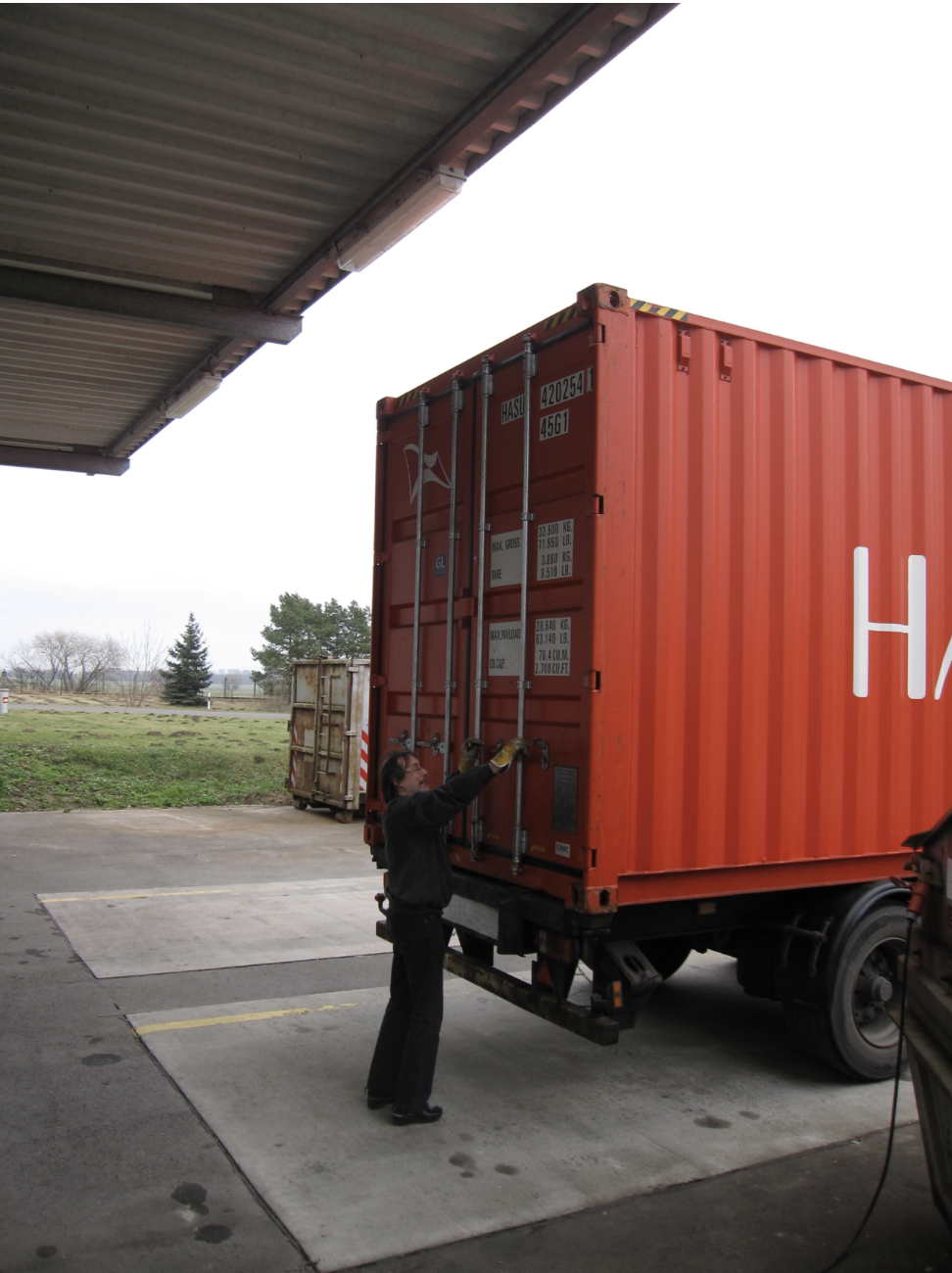
Source: VeSafe[35]
Truck drivers do not only transport goods from one place to another, very often they also have to load and unload these goods, securing and covering loads, decoupling trailers, and mounting and dismounting heavy equipment. Research shows that lifting heavy loads may have a substantial impact on musculoskeletal health and might cause musculoskeletal disorders (MSD), back problems, etc.
Associated with loading and unloading is getting down from the cab. Jumping from the cab can create an impact force of five to seven times the weight of the driver and may hurt the lower back, knees, and ankles.
Bus drivers often have to carry out manual handling of loads, e.g. when they lift or hold luggage, when they help support people with a disability[36].
Taxi drivers, delivery drivers and couriers often have to carry out manual handling of loads, e.g. when they lift or hold luggage. Just one wrong move can cause lower back pain. Twisting, turning and bending of the back while lifting can put strain on the back even when lifting light baggage. This is aggravated by the fact that taxi drivers spend most of their time confined in the seat of the taxi. This restricts muscle relaxation and may cause musculoskeletal disorders when lifting loads.
Assisting disabled passengers and persons with reduced mobility and handling heavy equipment such as wheelchairs without assistance puts taxi drivers and ambulance drivers at risk of injury to the back and shoulders. Employers should ensure that a risk assessment of manual handling has been done for the transport of wheelchair users[37].
Other drivers
Also other workers who drive for work, need to transport equipment (e.g. electricians, maintenance workers, cleaning workers, sales workers, health care workers). This can include tools, technical equipment, laptops and other office equipment. Wheeled bags, cases or boxes may be helpful. Equipment should be put in the boot of the car, not on the back seat where awkward postures may be needed to remove it from the vehicle.
Safe loading and unloading – Tips for drivers and employers
Risk reduction measures which may include the use of handling equipment, other engineering interventions or changing the way the work is done. It is important to use good lifting techniques, but these are often not sufficient on their own.
Tips for employers[38]
- Identify and assess the risk of loading and unloading the truck, coupling and uncoupling, transport of wheel chair users
- Eliminate or reduce the risk:
- Minimise manual handling activities
- Provide handling aids/lifting equipment, e.g. trolleys, ramps, forklift trucks, tail lifts on trucks, stair climbers, extended telescope belt conveyor and a variable height pallet truck to transfer items from a truck at a loading bay
- Manage the remaining risks:
- Plan enough time to handle loads and baggage
- Improve planning of the layout of goods in the vehicle
- Two workers to lift awkward or heavy loads
- Address other risk factors such as tight deadlines
- Provide instruction and training on handling heavy loads, (safe lifting techniques including for two workers lifting together) and using lifting equipment safely.
Tips for drivers[39] [28]
- Use handling aids/help from colleagues
- Practice good manual handling technique
- Bend your knees, not your back
- Turn your whole body, don’t twist
- Carry objects close to your body
- Take breaks
- Avoid lifting shortly after prolonged sitting, do some stretching exercises, walk around first
- Climb down from the vehicle, do not jump!
Good lifting techniques - Tips for drivers
- Keep the load close to the body
- Keep your body in a natural, upright posture,
- Keep the heaviest side of the load next to the body
- Avoid twisting the back or leaning sideways
- Bend your knees if possible
- Use two-handed lifting
- Reduce carrying distances where possible
Working from the vehicle
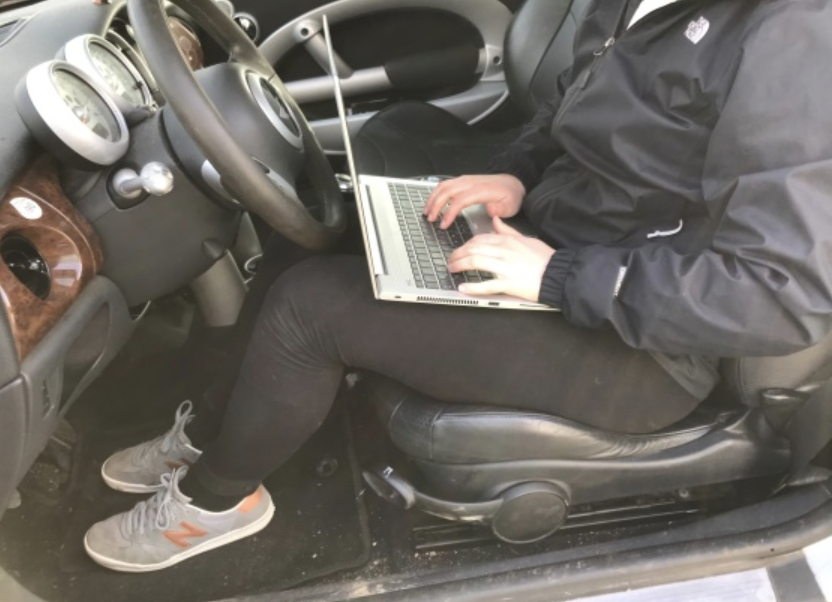
Many drivers use their car as a mobile office. While this should be avoided if possible, working from the vehicle may sometimes be unavoidable. Working from a vehicle can include using a laptop, carrying out paper work, and making phone calls. All these activities can result in poor postures, which can cause musculoskeletal disorders (MSD) and back problems. In addition, many drivers may not be aware of putting themselves at risk.
Figure 3: Working from the vehicle - paper work
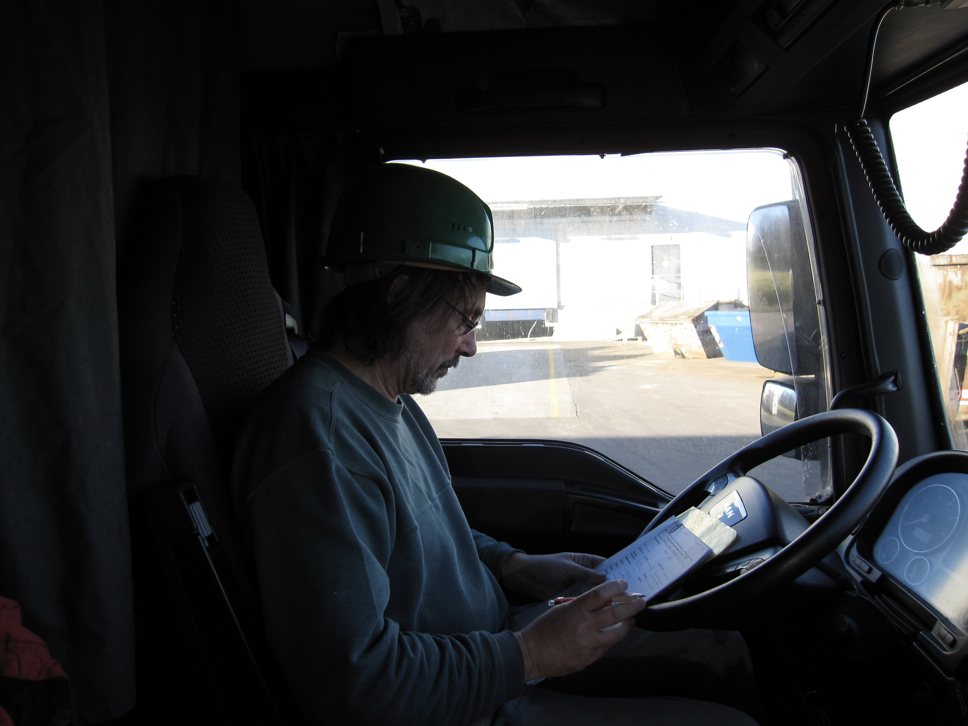
Source: VeSafe[35]
Figure 4: Working from the vehicle – laptop use picture ©EU—OSHA/Ellen Schmitz-Felten
Hazards resulting from these activities can involve:
- Static and awkward postures
- Twisting and leaning to one side
- Leaning forward
- Slouching
Safe working from the vehicle – tips for workers
Ideally workers should not work in the vehicle, for example by getting out to make phone calls, and walk at the same time. Where working in the vehicle cannot be avoided, a leaflet published by Loughborough University provide some practical tips[40](table 2)
A general advice for workers: Avoid working from the car, find a more suitable place to work (e.g. cafe, rest area).
Table 2: Working from the vehicle – Tips on how to help minimise this risk
| Laptop use | - Move to the passenger seat and place the laptop on your lap. Never sit in the driver’s seat.
- Change position frequently and take breaks. Do not work on the laptop for prolonged periods (more than 15 min). |
| Paperwork | - Avoiding slouching, leaning forwards and twisting when doing paperwork. Change position frequently and take breaks.
- Never sit in the driver’s seat while resting the paperwork on the passenger seat and vice versa |
| Mobile phone | - Never use your mobile phone whilst you are driving
- Ensure that the cradle, microphone and speaker are appropriately positioned to encourage good posture and do not obscure your vision. |
| Sat Nav | - Never set up or adjust the Sat Nav while driving
- Make sure the Sat Nav is positioned to encourage good posture |
| Storage of equipment | - Try to avoid storing equipment (including your laptop) on the front and back seats or in the footwells.
- Ensure that good and comfortable postures are adopted when manual handling from the car. |
Source: adapted from[40]
Back care, fitness and health promotion
Driving is a stressful job, due to heavy traffic, prolonged sitting in static position, stress from loading and unloading, poor work organisation and more. Many driver-related risk factors are closely linked to lifestyle and health behaviours including stress, sleepiness, poor diet, alcohol misuse, smoking, and physical inactivity[41].
Employers have a duty to ensure that staff are fit for work, including for driving. Measures to support drivers’ health, wellbeing and fitness for duty include:
- instruction by medical professionals on improving posture whilst sitting in the driving seat, learning how to stretch muscles and reduce muscular tension
- stress management courses
- voluntary physical fitness programmes
- facilitate exercising to prevent MSDs: e.g. In-cabin fitness training with gym accessories, stretching exercises, yoga for truck drivers
- support healthy lifestyles, e.g. balanced nutrition.
Drivers can take several steps to protect their back and reduce the risk of back pain:
- Regular physical activity will help keep the back strong and flexible. Workers should add moments of activity into their schedule, e.g. by taking the stairs instead of the elevator, cycling to work, walking 20 minutes
- Maintain a good posture. Poor posture can strain ligaments in the back. Learning and practising good posture can help prevent back pain. Use safe lifting techniques
Good practice examples
Managing risks to drivers in road transport (EU)
This EU-OSHA report9 presents a number of case studies showing examples of initiatives and interventions that have been implemented to manage OSH risks in road transport. The good practice cases featured in this report cover a number of risks to occupational drivers such as ergonomics,
loading and unloading vehicles, whole body vibrations, violence, stress and health promotion. The cases were collected throughout Europe, sourced from national and international passenger transport organisations and road haulage organisations, government organisations and NGOs, accident prevention organisations, occupational health and safety organisations, government transport ministries and agencies, trade unions and trade associations.
A number of cases focus on issues to improve the ergonomics of the driver’s working environment. They include correct seat adjustment, and ergonomic and technologic improvement of the driver’s cabs[9].
Taxistars.eu – Training for taxi drivers (EU)
The project Taxistars.eu[42], funded with support from the European Commission, developed an innovative ICT-based learning programme tailored to taxi drivers. The consortium of the project consists of nine partners from eight EU Member States (Austria, Belgium, Cyprus, Finland, Germany, Greece, Italy and Spain). The aim of the project was to improve the professional training in the taxi-sector and to ensure a safer, more effective, competitive and high quality road transport system in the EU.
Module 2 deals with ergonomics and focuses on following topics:
- Ergonomic and driving – Do you know how to avoid repetitive driving injuries?
- Correct driving position – Seat adjustment: Why does it matter and how is it done?
- Seat belt – What’s your reason for not wearing one?
- Lifting and loading – Lifting safety: how to prevent back injuries
- Each chapter is accompanied with self-reflection questions.
- The training programme is available in seven languages and is accessible on mobile devices
The training programme is an attractive and easy to use tool. It is available at the e-learning platform as well in as smartphone/tablet training application. The training programme is available in seven languages[42].
VeSafe (EU)
VeSafe interactive e-guide[35] was commissioned by the European Commission. The consortium of the project consists of partners from six EU Member States. VeSafe provides many good practices as well as an overview of relevant regulations and information in three key aspects of vehicle risks:
- safe driving for work
- workplace transport safety
- working on or near a road.
Currently the e-guide includes three good practice examples related to ergonomics[35].
Stay fit on long trips (Fit auf langen Fahrten)
Truckers spend so much time on the road that it can be difficult to get exercise in. The statutory accident insurance for the transport sector in Germany[43] published a guideline with exercises and steps that truck drivers can take to stay fit. Drivers will find short exercises to work out in the cab, around the truck, while brushing teeth, and stretching exercises while lying in bed[43].


