


Global trade is largely executed by way of freight containers. The use of these containers revolutionised global transportation. The opening and unloading of containers is connected with various safety and also health hazards to workers who open up and unload containers in ports or inland.
Extensive measurements have provided evidence that about 20 % of import containers including their cargo contain hazardous concentrations of air pollutants. These are in particular volatile hydrocarbons and fumigants, for example phosphine, and methyl bromide.
A distinction must be made between fumigants like methyl bromide or phosphine and industrial chemicals like toluene/xylene or aliphatic hydrocarbons emitted by the goods[1][2][3][4]
Images 1 and 2: Unloading of a container ship and handling of containers in the harbour
Figure 1: Unloading of a container ship
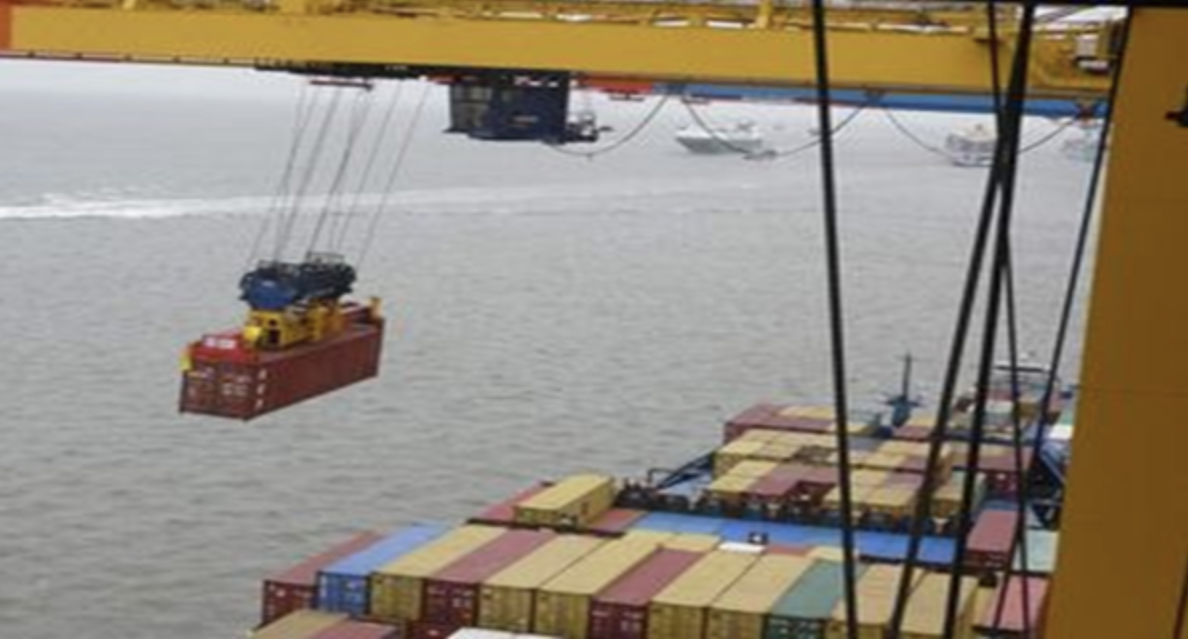
Source: Hans-Peter Fröhlich, BGHW
Figure 2:Handling of containers in the harbour
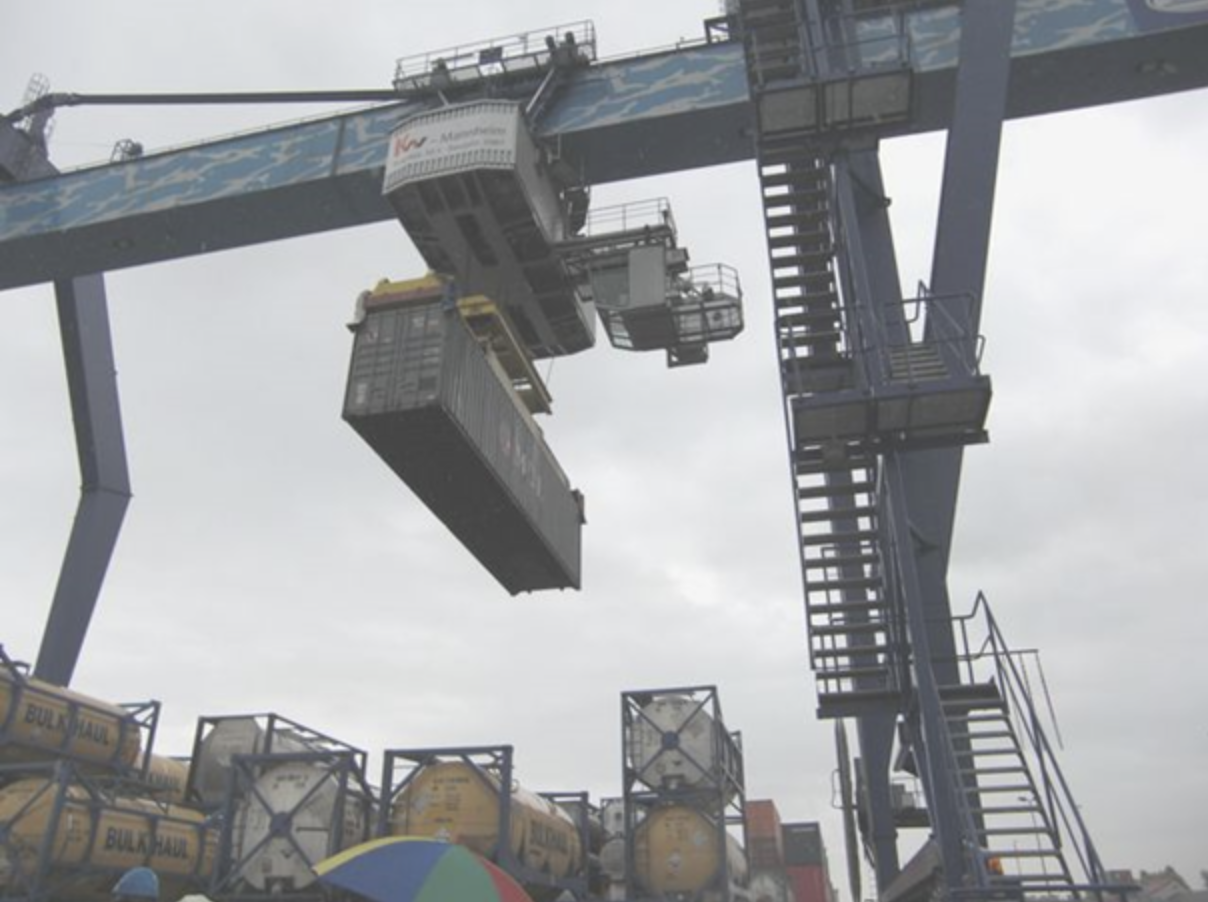
Source: Hans-Peter Fröhlich, BGHW
Cargo containers are sometimes fumigated to protect the load against pests (e.g. insects, rodents) or in order to reduce corrosion or mould. In addition to intentional fumigation, many cargo containers contain volatile chemicals released by the cargo itself ('off-gassing'), including solvents, adhesives, preservatives and chemicals used to treat wood. Workers opening import containers, inspecting and unloading their contents are particularly at risk. Even if a container has already been ventilated, out-gassings, for example from goods or packaging materials, can again accumulate within the container after several hours.
Many fumigants as well as pollutants or industrial chemicals are odourless, or their odour can be masked by other odours, and can therefore only be detected by special measurements. Fumigated containers should be labelled with a fumigation warning label. This also needs to be indicated in the transport documents. However, in practice, containers are often not fumigated properly or are poorly marked and labelled[5] [6].
Fumigants such as methyl bromide, which is prohibited in the EU (ozone depletion), phosphorus hydride, sulfuryl difluoride etc. are chemical substances with toxic or very toxic properties which are applied specifically to control vermin in buildings, rooms and containers. Their toxicity and high penetration capability even into packaging and goods guarantee a high efficiency level. Sometimes combinations of fumigants are used for certain applications. Fumigants must be specifically approved for each kind of application.
The most common fumigants are methyl bromide, sulfuryl fluoride, and phosphine,. The application of the various fumigants depends on the target they are intended to combat.
Generally, fumigants applied to fumigation objects can only be removed by controlled ventilation. Since fumigants penetrate deeply into cavities during the fumigation process, i.e. also into packaging and goods, thorough and safe ventilation is required in tightly sealed containers.
A major part of the fumigants applied gets lost through leaks during the fumigation time, i.e., in the case of containers, during transportation. Taped ventilation grids and sealing lips are intended to prevent losses. When opening-up well-sealed containers, very high and hazardous concentrations of fumigants can therefore still be present.
Further information on container fumigation, its health effects, and good practices can be found in the article Health risks and prevention practices during handling of fumigated containers.
Apart from intentionally applied fumigants, freight containers may also contain other hazardous gaseous chemicals at toxicologically critical concentrations. These off-gased substances including formaldehyde, toluene, benzene, carbon monoxide, xylene and heptane, may accumulate during transport as a result of emissions from the cargo itself. Sources of such emissions include a wide range of goods and materials, such as footwear, electronics, wood and wood-based products, toys, textiles, food products, resins, rubber, plastics, packaging materials, fabrics, building materials, carpets, and upholstery[7]. Some of the off-gassed substances detected in freight containers may occur at concentrations that are harmful to health and in certain cases are classified as carcinogenic. A study of 249 randomly selected general-purpose freight containers arriving in Sweden[8] found that 12% had levels of volatile substances exceeding one or more of the 8-hour time-weighted average occupational exposure limits (OELs). Seven per cent exceeded the short-term exposure limit (STEL). Chemicals classified as carcinogens were detected at levels above the 8-h OEL in 4% of the containers. These chemicals primarily came from off-gassing of the goods or packaging materials, rather than being the result of fumigation.
Therefore, when carrying out risk assessment for activities involving import containers, it is important not to focus solely on fumigants. While fumigated containers are subject to labelling obligations, such obligations do not exist for other hazardous substances in containers.
Nevertheless, employers must fulfil the requirements of the Occupational Safety and Health (OSH) Framework Directive[9] and specific OSH directives, in particular the Chemical Agents Directive (98/24/EC)[10] and the Carcinogens, Mutagens or Reprotoxic substances at work Directive[11], since their employees may be exposed to hazardous chemical substances.
Under suitable living conditions, moulds can appear on products during transportation, in particular if the products consist of organic material such as wood[12].
The term “moulds” comprises numerous types of fungi. Under certain conditions, these rapidly infest the wood inside of containers and produce numerous particulate spores on the wood surface. These are visually identifiable as a cotton-like, filamentous or powdery propagation of the fungus which can occur in different colours. Fungal spores which can be whirled up when opening the container door and in particular when removing fungus-infected material from the container can enter the human body through inhalation or damaged skin areas and may harm health.
Fungi generally have an allergenic potential which can lead to sensitisation following prolonged and intensive contact. The main effects occur in the lungs and respiratory passages. Workers with weakened immune systems, for example due to chronic diseases or after the intake of immunosuppressive drugs, should avoid exposure to prevent the outbreak of a very rare but potentially serious infection by moulds[12]. Moulds can also have toxic effects, namely through mycotoxins, i.e. metabolites of moulds which can be released into the environment, and through cell wall components. Some mycotoxins even have a carcinogenic effect when entering the human body, and sometimes also when inhaled.
Protective measures must consider absorption through the respiratory system and the skin as well as through the congestion of contaminated foodstuffs.
Suppliers should be required to use dry wood for packaging or transport protection in order to avoid fungal infestation.
If fungus infested material has been detected, the measures in line with the hierarchy of control measures defined in the Biological Agents Directive 2000/54/EC[13] should be taken. In Germany for example the Technical Rule for Biological Agents (TRBA 500) provides detailed guidance[14].
Particle filtering respiratory protection is the adequate personal protective equipment to be used if the risk cannot be sufficiently controlled. It should at least belong to particle filter class 2. Where gaseous hazardous substances occur at the same time, a combination filter is necessary. When respiratory protection is used, the maximal wearing time must be observed
Figure 3: Mouldy wood packaging
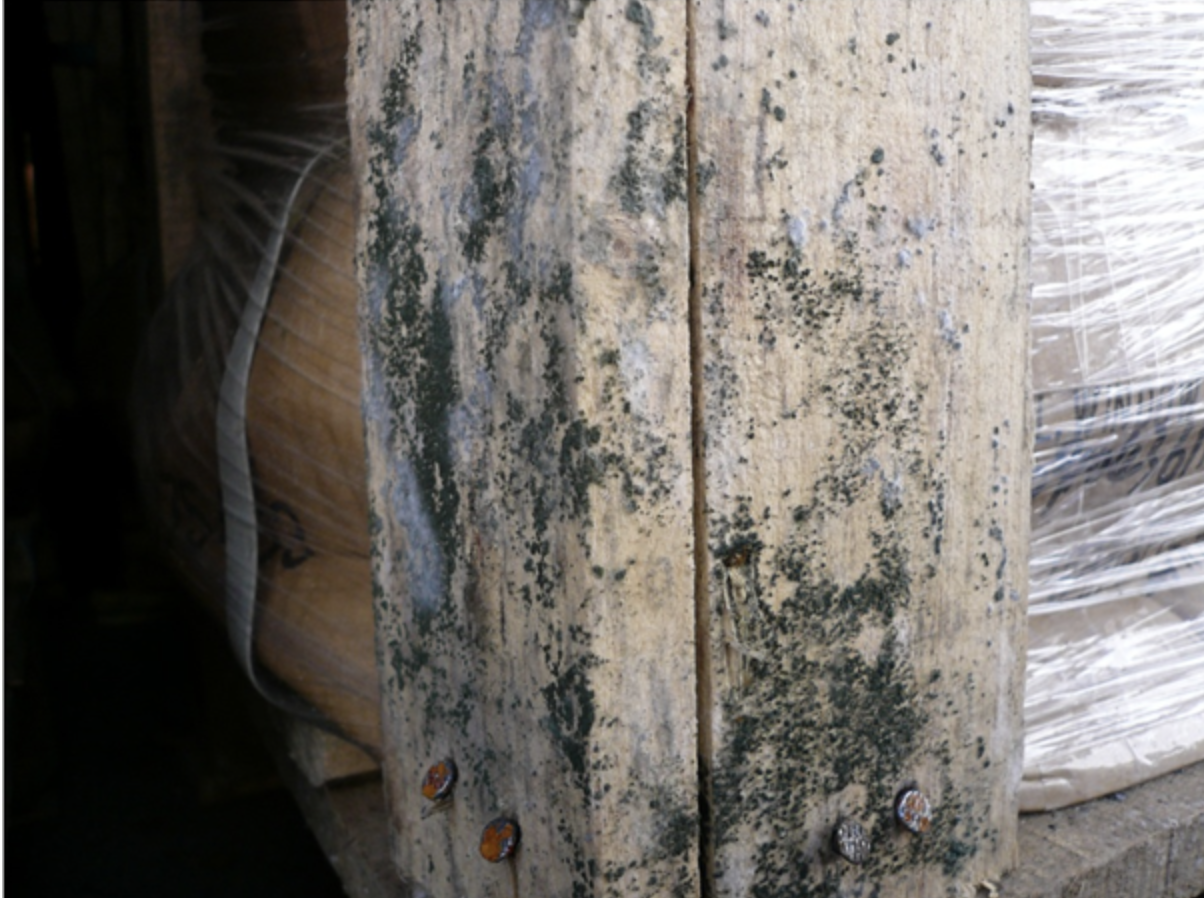
Source: Hans-Peter Fröhlich, BGHW
Before entering a freight container, the atmosphere should be tested for fumigants and other hazardous gases by trained personnel using appropriate detection equipment. Sampling should preferably be carried out without opening the container, for example by inserting a sampling tube between the door seals. Gas concentrations may vary within the container, as hazardous substances can accumulate in pockets within or between the cargo[7]. A range of detection methods is available, each with specific advantages and limitations. Colorimetric detection tubes can identify specific substances and provide rapid short-term information, although cross-sensitivities may occur.
Photoionization detectors (PIDs) measure overall concentrations of gases but generally do not identify individual substances.
Electrochemical sensors can detect certain specific gases, such as ammonia or phosphines.
More advanced techniques, including portable gas chromatography or mass spectrometry systems, allow detailed identification of substances at low concentrations but are more costly and are mostly used by specialised contractors or inspection authorities.
Although ventilation generally reduces concentrations rapidly near container doors, hazardous gases may persist deeper inside the container or within the cargo, particularly in larger containers. Mechanical ventilation or prolonged ventilation may therefore be necessary before safe entry can be ensured.
Images 4 and 5: Measurements with tubes and inside of the container
Figure 4: Measurements with tubes
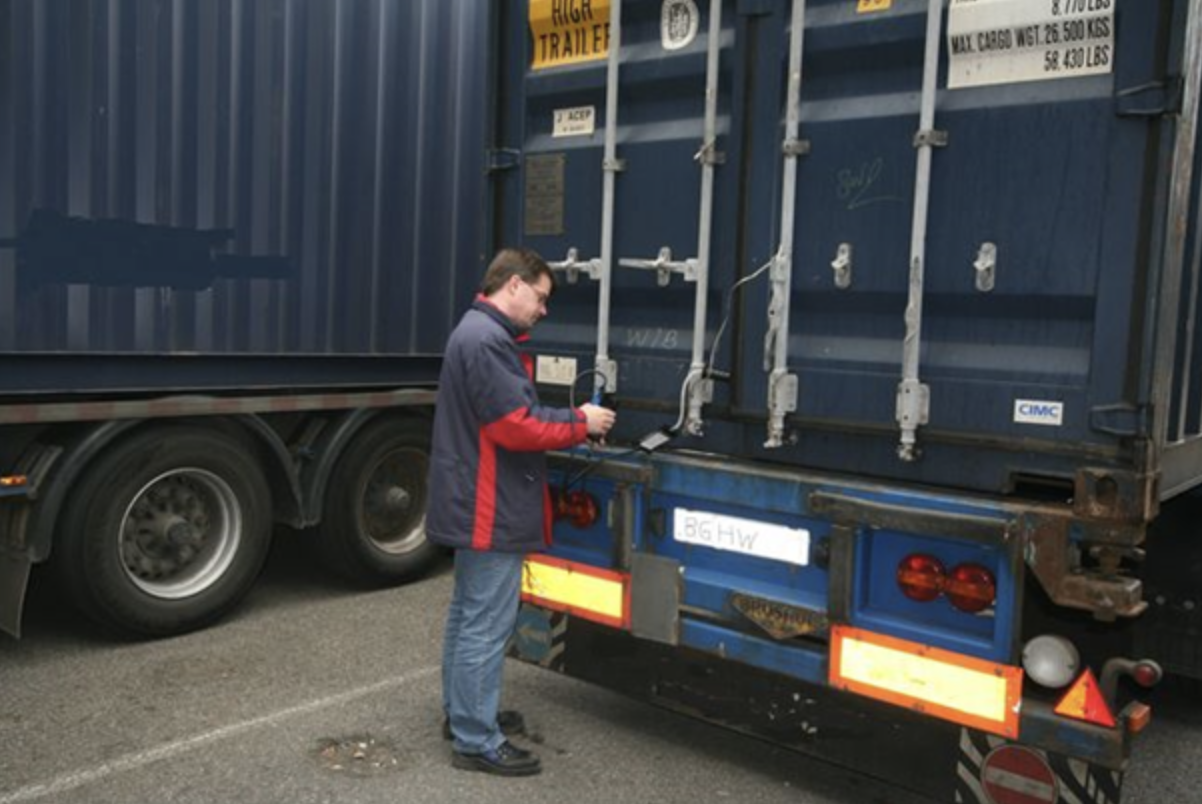
Source: Hans-Peter Fröhlich, BGHW
Figure 5: Measurements inside the container
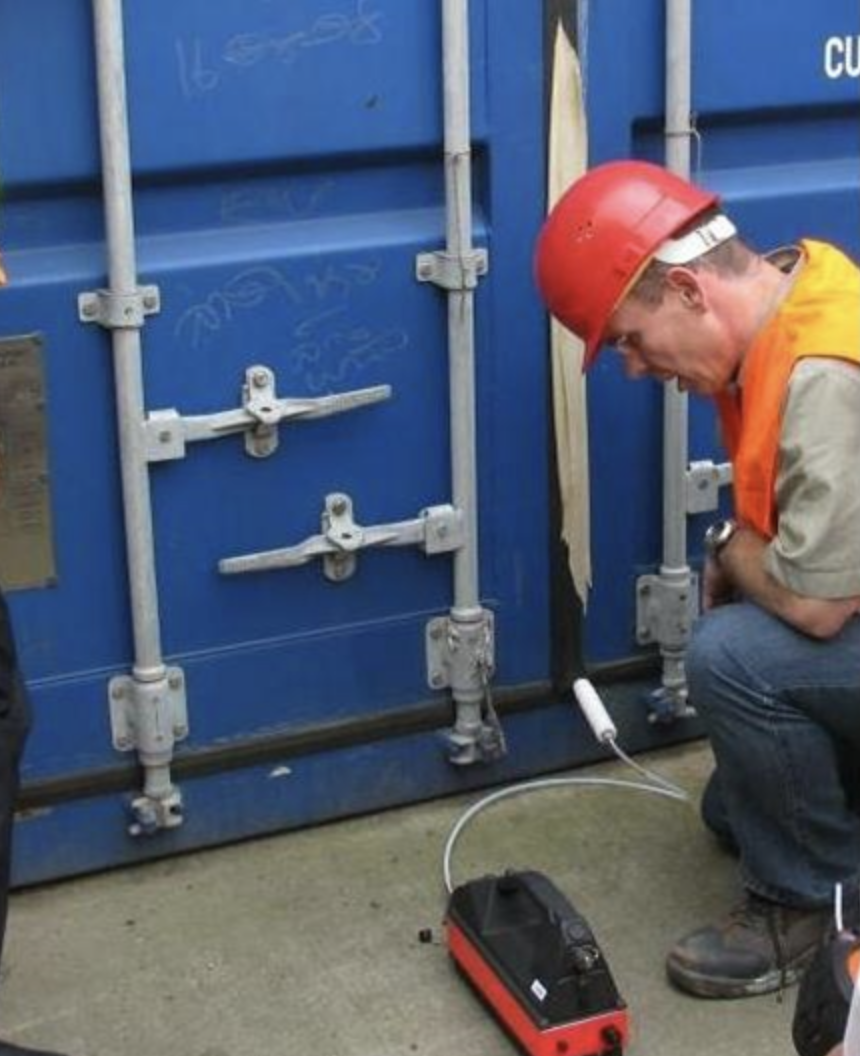
Source: Hans-Peter Fröhlich, BGHW
According to OSH legislation, employers have to carry out a risk assessment and lay out prevention measures. They also have to train and inform their workers and elaborate safe working practices for specific tasks (e.g. opening containers, carrying out measurements). Some countries have set specific rules for the protection of workers from fumigants, or published guidance documents (e.g. Germany and the Netherlands). In Germany, the Hazardous Substances Ordinance[15] includes specific requirements for fumigation activities which are specified in several Technical Rules for Hazardous Substances (TRGS). For fumigation and handling (including ventilation and release) of containers, TRGS 512 “Fumigations" is of special significance[16].
In addition, the International Maritime Organization (IMO), a United Nations agency, has developed international regulations and guidelines aimed at ensuring safety at sea. Key documents include the International Maritime Dangerous Goods Code (IMDG Code)[17] and the International Convention for Safe Containers (CSC)[18], which specifically address the safe transport of dangerous goods and the safety of container operations. This includes aspects relevant to handling fumigated containers. Further details can be found in the Maritime Safety Committee's recommendations, e.g. the Recommendations on the safe use of pesticides in ships (MSC.1/Circ1358)[19] and the Recommendations on the safe use of pesticides in ships applicable to the fumigation of cargo transport units (MSC.1/Circ.1361/Rev.1)[20].
Potential exposure to fumigants in containers should be identified and managed as part of standard OSH management for all workers involved in unloading or accessing cargo in containers. This means carrying out a risk assessment before opening a container and identifying the likely presence of a fumigant in the container using appropriate safety precautions. The following checklist should at least be used before opening and unloading an import container:
If this check indicates that the container is contaminated with chemicals, it should be handled as a fumigated container. It should only be opened under the supervision of a competent person who can identify and assess risks to workers and third parties and take the necessary protective measures.
It is recommended to use a systematic approach when handling containers. Containers can for example be divided up into various groups depending on their supplier, their country of origin and their contents. Each group will be assigned a certain course of action in order to minimise hazards. A container received from a new supplier from e.g. Asia containing goods in wooden packaging could for example be allocated to a high-risk group. Such containers will have to be analysed for pollutants before entering them. Containers transporting goods which are normally not fumigated and where experience has shown that they do not outgas chemicals constitute a low risk. However, there is no one-size-fits-all approach for handling containers. Instead, it should be tailored to the specific circumstances, requirements, and organisational context, ensuring that the method used is appropriate for each situation.
Measures that recipients of cargo containers can take to avoid or reduce worker exposure to fumigants or off-gassed substances in containers include implement purchasing policies that require
Image 6 and 7: Heat-Treated woods for packaging and Methybromid-Treated Woods for packaging
Figure 6: Wood heat treated (HT label)
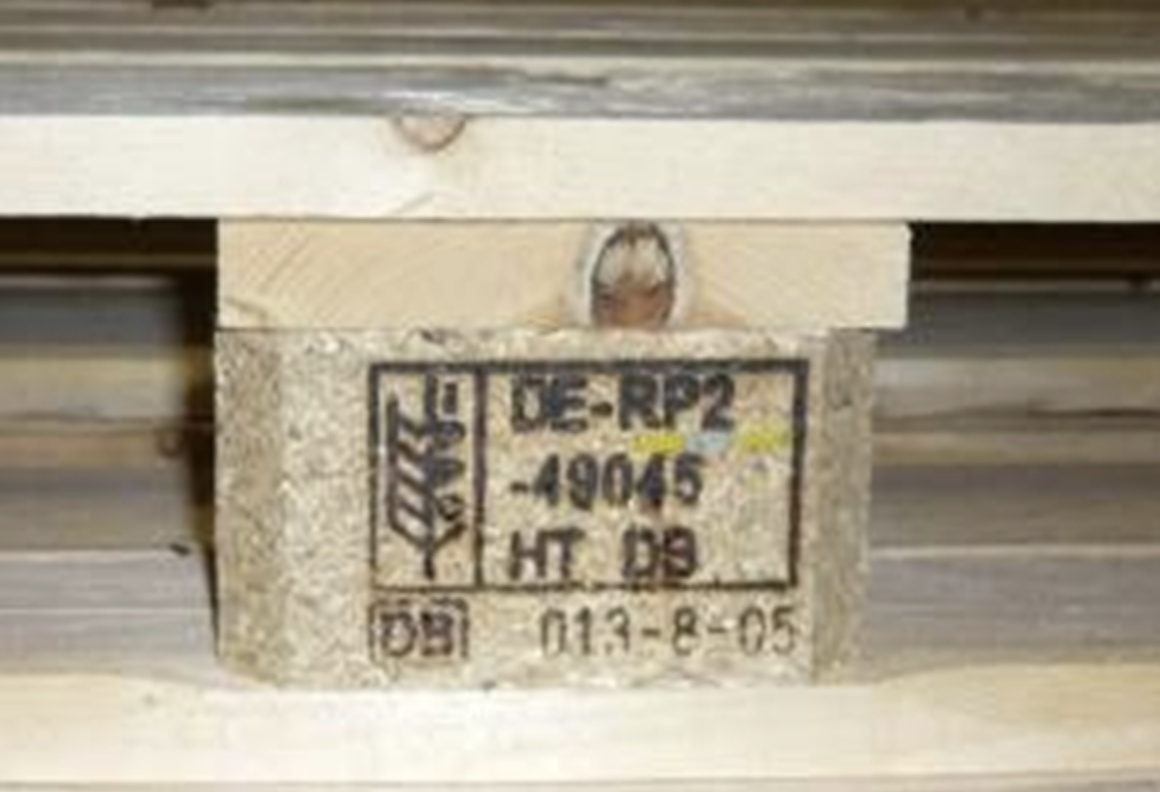
Source: Hans-Peter Fröhlich, BGHW
Figure 7: Wood treated with methylbromide (MB label)

Source: Hans-Peter Fröhlich, BGHW
Image 8 and 9: Ventilation slits of the transport unit glued together or sealed. Inside and outside of the container
Figure 8: Ventilation slits glued inside the container
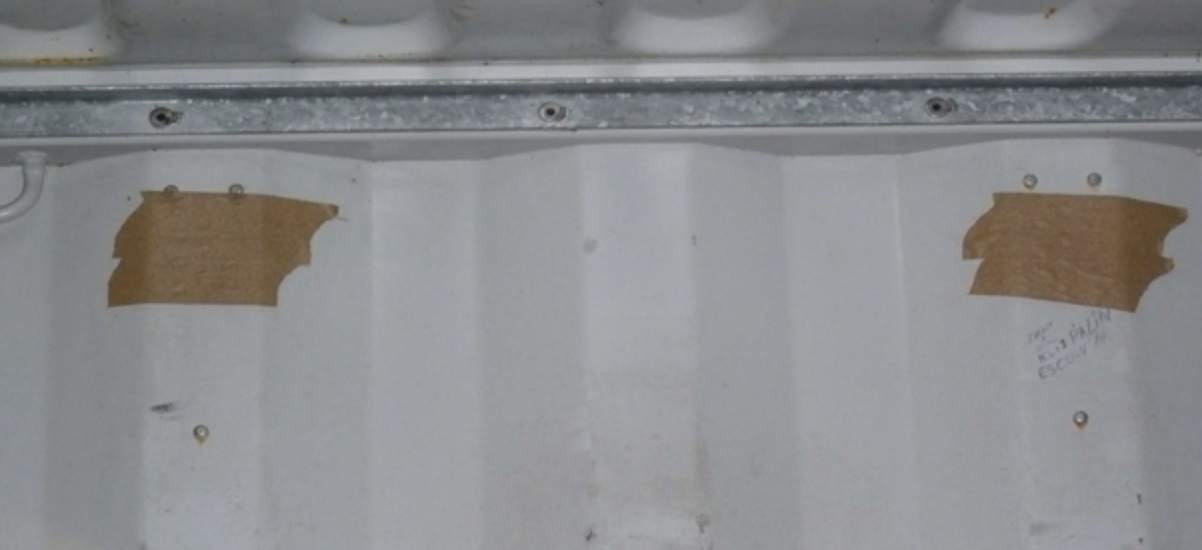
Source: Hans-Peter Fröhlich, BGHW
Figure 9: Ventilation slits taped off inside the container
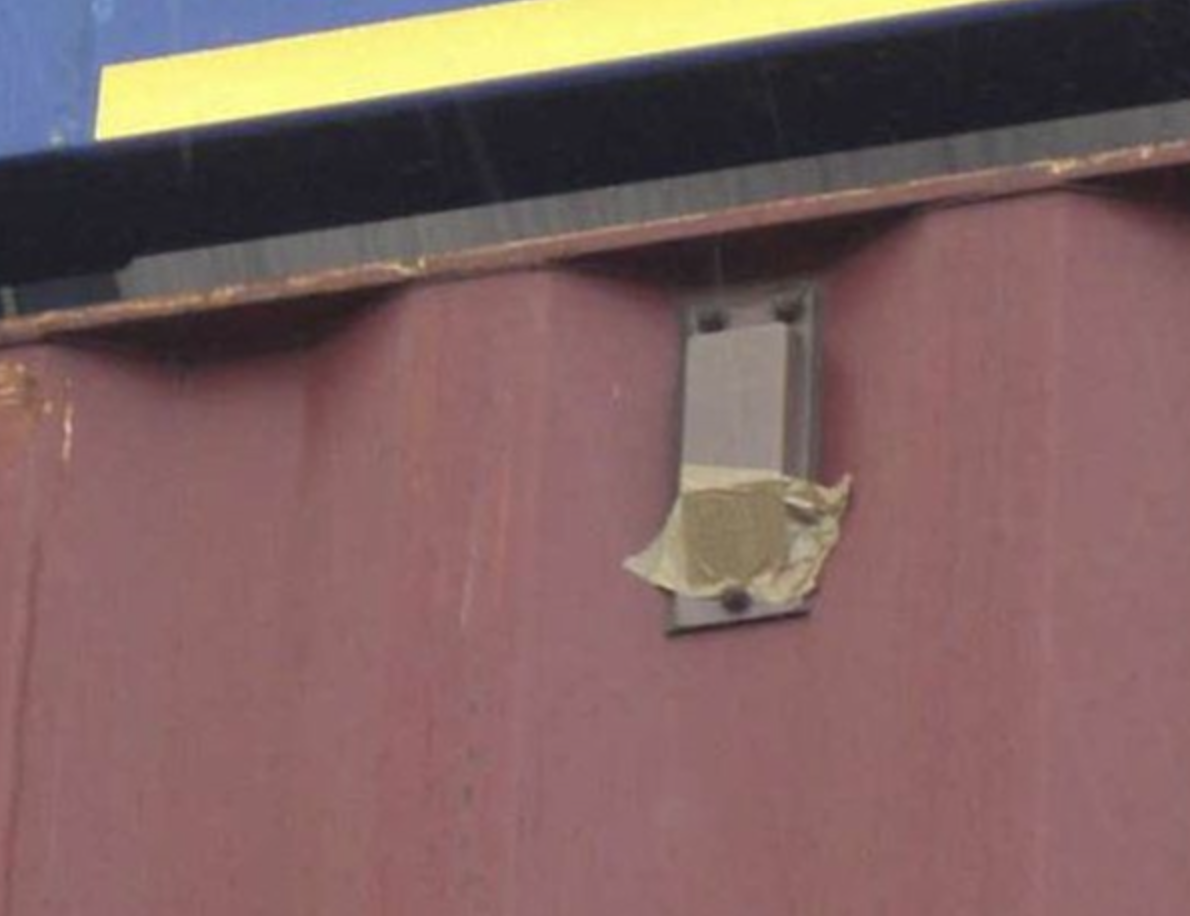
Source: Hans-Peter Fröhlich, BGHW
If a transport container is known to be fumigated (documents, labelling) or is highly suspected to be fumigated, the container should only be opened by trained and qualified personnel.
Fumigated containers are marked with a warning label (figure 10) stating the date and time and the type and amount of fumigant used. The transport document specifies in addition UN 3359, the proper shipping name (fumigated cargo transport unit) and the class (9)[20],
Figure 10: Warning label on fumigated transport units
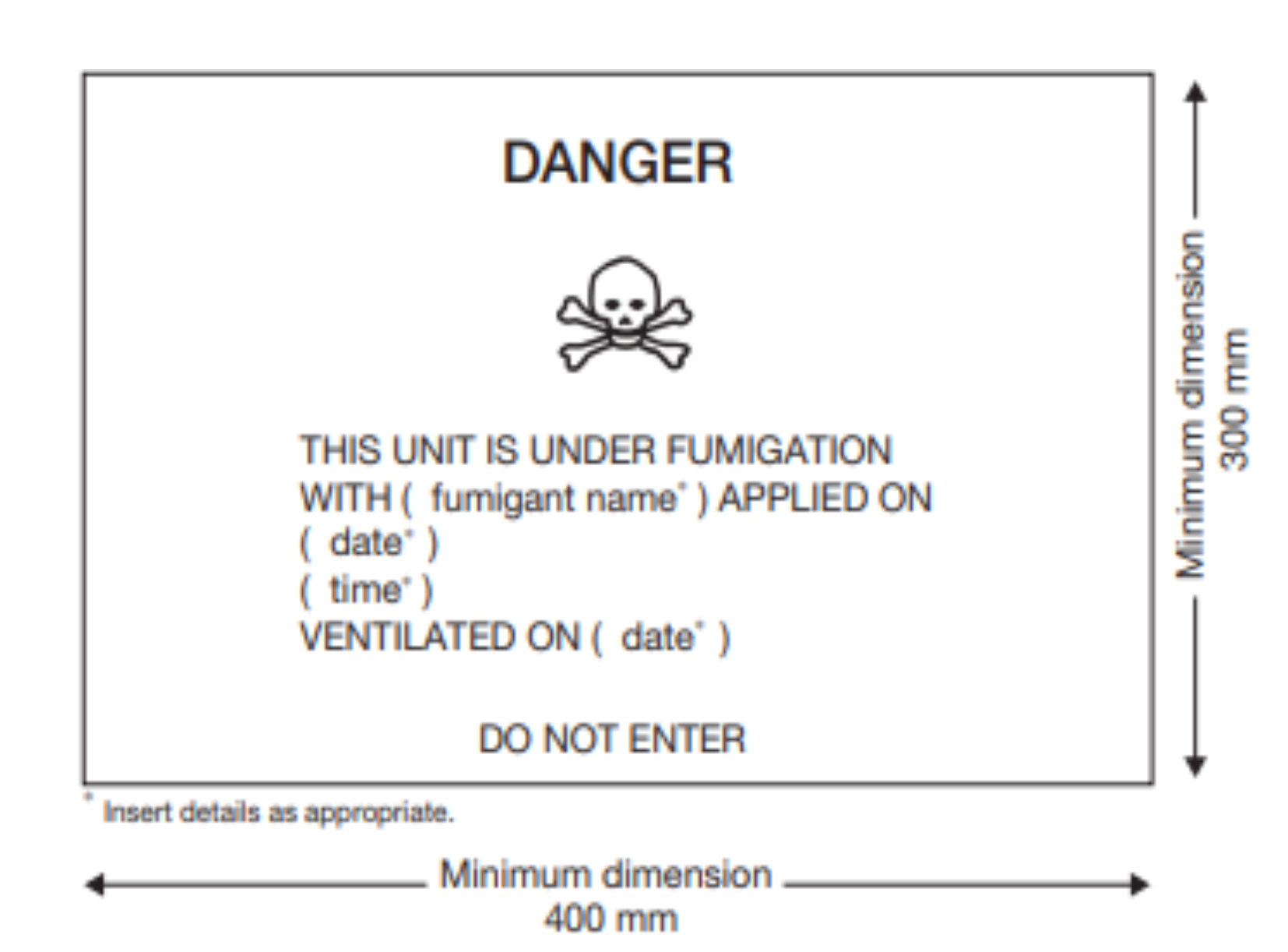
Source[20]
As a general rule, it should be prohibited to open or enter fumigated containers.
In the absence of a fumigation warning mark, other indicators suggesting the possible presence of fumigants should be considered, including[20]:
Where there is any doubt as to whether fumigation has taken place, the transport container should be treated as potentially fumigated and appropriate prevention measures should be applied.
If hints at fumigation (sealed ventilation slots, rests of fumigants) are found only after opening the container, the container must be closed again and safeguarded against unauthorised entry. A supervisor must be informed.
If containers are not or no longer contaminated with fumigants, either because no fumigation had been applied or because appropriate ventilation has been carried out, it is nevertheless possible that gasses accumulated in the container If a typical solvent-like odour is perceived when opening a container, the container must be ventilated sufficiently before unloading. Sufficient ventilation (for at least 30 minutes) before entering a container considerably reduces health risks.
The EU Social Partners Agreement on training for port workers in relation to fumigated containers[22] states that port workers who enter containers, e.g. to carry out stripping and stuffing tasks, must be trained and competent carry out these tasks and apply control measures correctly. The training should include:
Protecting workers from exposure to hazardous chemicals during the handling of cargo containers requires coordinated efforts throughout the entire supply chain. Fumigation should only be used where no safer alternative is available and, where necessary, the quantities used should be minimised and preference given to less hazardous substances. Likewise, production processes and packaging materials should be designed to reduce the emission of hazardous gases throughout the product lifecycle, thereby limiting both environmental impacts and health risks. Transparent and reliable information on production methods, fumigation treatments, transport conditions, and unloading procedures is essential to ensure that all parties involved are adequately informed and able to implement appropriate safe working practices.
[1] National Institute for Public Health and the Environment (RIVM), Measuring the amount of gas in import containers (2002). Available at: https://www.rivm.nl/bibliotheek/rapporten/609021025.pdf
[2] Institut für Arbeitsschutz der Deutschen Gesetzlichen Unfallversicherung (IFA) Gefahrenschwerpunkt Frachtcontainer. Available at: https://www.dguv.de/ifa/praxishilfen/gefahrenschwerpunkt-frachtcontainer/index.jsp
[3] Gesamtverband der Deutschen Versicherungswirtschaft e.V. (GDV), Containerhandbuch. Available at: https://www.containerhandbuch.de/chb/stra/index.html
[4] Amt für Arbeitschutz Hamburg, Gefahren aus begasten Transporteinheiten. Available at: https://www.hamburg.de/politik-und-verwaltung/behoerden/bjv/themen/verbraucherschutz/arbeitsschutz/themen/container-begast-87930
[5] BFR – German Federal Institute for Risk Assessment. Health risks through fumigated containers: Experts discuss research results and values measured by control authorities. BfR Communication No 001/2019 of 10 January 2019
[6] National Institute for Public Health and the Environment (RIVM), Measuring the amount of gas in import containers (2003). Available at: https://www.rivm.nl/publicaties/measuring-amount-of-gas-in-import-containers
[7] WorkSafe New Zealand. Keeping safe from harmful substances while inspecting or unpacking containers, 2017. Available at: https://www.worksafe.govt.nz/topic-and-industry/hazardous-substances/guidance/industry-guidance/inspecting-and-unpacking-containers-harmful-substances/
[8] Svedberg, U., & Johanson, G. (2017). Occurrence of fumigants and hazardous off-gassing chemicals in shipping containers arriving in Sweden. Annals of work exposures and health, 61(2), 195-206.
[9] Council Directive 89/391/EEC of 12 June 1989 on the introduction of measures to encourage improvements in the safety and health of workers at work. Available at: https://osha.europa.eu/en/legislation/directives/the-osh-framework-directive/1
[10] Council Directive 98/24/EC of 7 April 1998 on the protection of the health and safety of workers from the risks related to chemical agents at work (fourteenth individual Directive within the meaning of Article 16(1) of Directive 89/391/EEC). Available at: https://osha.europa.eu/en/legislation/directive/directive-9824ec-risks-related-chemical-agents-work
[11] Directive 2004/37/EC of the European Parliament and of the Council of 29 April 2004 on the protection of workers from the risks related to exposure to carcinogens, mutagens or reprotoxic substances at work (Sixth individual Directive within the meaning of Article 16(1) of Council Directive 89/391/EEC). Available at: https://osha.europa.eu/en/legislation/directive/directive-200437ec-carcinogens-or-mutagens-work
[12] Institut für Arbeitsschutz der Deutschen Gesetzlichen Unfallversicherung (IFA). Gefahrenschwerpunkt FrachtcontainerBiologische Gefährdungen. Biologische Gefährdungen. Available at: https://www.dguv.de/ifa/praxishilfen/gefahrenschwerpunkt-frachtcontainer/biologische-gefaehrdungen/index.jsp
[13] Directive 2000/54/EC of the European Parliament and of the Council of 18 September 2000 on the protection of workers from risks related to exposure to biological agents at work (seventh individual directive within the meaning of Article 16(1) of Directive 89/391/EEC). Available at: https://osha.europa.eu/en/legislation/directives/exposure-to-biological-agents/77
[14] BAuA. TRBA 500 Grundlegende Maßnahmen bei Tätigkeiten mit biologischen Arbeitsstoffen. August 2025. Available at: https://www.baua.de/DE/Angebote/Regelwerk/TRBA/TRBA-500
[15] Gefahrstoffverordnung (GefStoffV). Available at: https://www.baua.de/DE/Themen/Chemikalien-Biostoffe/Gefahrstoffe/Taetigkeiten-mit-Gefahrstoffen/Gefahrstoffverordnung
[16] BAuA. TRGS 512 Fumigations. Technical Rule for Hazardous Substances. January 2007, last amended and supplemented: October 2012. Available at: https://www.baua.de/EN/Service/Technical-rules/TRGS/TRGS-512
[17] IMO – International Maritime Organization. The International Maritime Dangerous Goods (IMDG) Code. Available at: https://www.imo.org/en/ourwork/safety/pages/dangerousgoods-default.aspx
[18] IMO – International Maritime Organization. International Convention for Safe Containers (CSC). Available at: https://www.imo.org/en/about/conventions/pages/international-convention-for-safe-containers-(csc).aspx
[19] Recommendations on the safe use of pesticides in ships (MSC.1/Circ1358). 17 September 2025.
[20] Recommendations on the safe use of pesticides in ships applicable to the fumigation of cargo transport units (MSC.1/Circ.1361/Rev.1). 28 April 2022.
[21] IPPC, FAO. Guide to the regulation of wood packaging material. Understanding the phytosanitary requirements for the movement of wood packaging material in international trade. April 2023. Available at: https://openknowledge.fao.org/server/api/core/bitstreams/c1d1e9c9-7f71-4c7e-ba51-2a909b0bb273/content
[22] European social partners, Ports sector. Guidelines on fumigated containers, 09/11/2023. Available at: https://employment-social-affairs.ec.europa.eu/policies-and-activities/eu-employment-policies/social-dialogue/social-dialogue-texts-database_en
EU-OSHA – European Agency for Safety and Health at Work. Handling fumigated containers in ports — health risks and prevention practices. Discussion paper, 2018. Available at: https://osha.europa.eu/en/publications/handling-fumigated-containers-ports-health-risks-and-prevention-practices
EU-OSHA – European Agency for Safety and Health at Work, Dangerous substances e-tool. Available at: https://osha.europa.eu/en/tools-and-resources/e-guides/dangerous-substances-e-tool
EU-OSHA – European Agency for Safety and Health at Work. Practical tools and guidance on dangerous substances. Available at: https://osha.europa.eu/en/themes/dangerous-substances/practical-tools-dangerous-substances
Vali teema