


Although the cleaning sector is developing into an important part of the European economy, cleaners continue to face a range of adverse conditions: undervaluation of the profession and internalised stigma, strenuous manual work, musculoskeletal disorders (MSDs), exposure to a wide variety of chemicals and biological hazards, high risk of accident (e.g. slips, trips, falls from ladders, sharps), communication issues (subcontracting, different places of work, high percentage of immigrants), as well as violence, isolation from working alone or out of hours and other psychosocial hazards. Addressing these issues requires a comprehensive approach that actively involves workers and strives to raise awareness.
The statistical classification of economic activities (NACE) is used by the European Union to classify business activities[1]. Until January 2008, the ‘cleaning industry’ was defined under NACE rev. 1. With the introduction of Nace rev. 2, cleaning activities were grouped within Section N — Administrative and support service activities, under the specific code 81.2. From 2025 onwards, the updated classification NACE Rev. 2.1 applies. While the sector code 81.2 remains unchanged, it is now part of Section O — Administrative and support services (see table 1).
Table 1: Classification of cleaning activities according NACE Rev. 2 and Rev. 2.1
| NACE Rev. 2 (2008 – 2024) | NACE Rev. 2.1 (2025 - ) | |
| Section | N — Administrative and support service activities | O — Administrative and support services |
| Division | 81 Services to buildings and landscape activities | |
| Group | 81.2 Cleaning activities | |
| Class |
| |
Source[1]
However, cleaners are better defined by task than by sector, as cleaning work is carried out across virtually all industries, institutions, and households, both outside and inside, including public spaces. They may be called cleaners, housekeepers, caretakers or janitors, depending on the spaces cleaned and assigned tasks. For example, janitors and caretakers may combine cleaning with maintenance and repair work[2]. Common tasks include surface cleaning, including mopping, dusting, vacuuming, polishing of floors and work surfaces, and routine housekeeping including disposing of waste and wastewater. There are also specialists, such as window cleaners, façade cleaners, industrial cleaners (including food processing industry, clean rooms, ships, public transport), cleaners for critical rooms and equipment in healthcare, and cleaners who deal with catastrophes (e.g. fires, flooding).
Cleaners help extend the life of buildings, plants, machines, equipment, and furniture. The hygienic aspects are also important, as proper cleaning can prevent diseases. This applies especially to hospitals, healthcare facilities, kindergartens, schools, public transport services, public offices, agriculture, food processing, and anywhere generally that people meet, where diseases could be spread[3].
According to the European Cleaning and Facilities Services Industry (EFCI)[4], the cleaning sector in Europe has seen a significant growth over the past 25 years. Between 2000 and 2025 there was a 9% increase of the annual turnover. With almost 300,000 companies employing 4 million people and generating a turnover of €120 billion in 2025, the cleaning sector is a dynamic business[4].
However, some of these jobs may have shifted from other sectors that have outsourced cleaning services[5].
A large part of the cleaning industry relies on outsourced services awarded through competitive tendering, including public procurement. When contracts are awarded based mainly on price, costs are often driven down at the expense of working conditions5.
Wages are the highest cost in this labour-intensive sector, making labour efficiency a key focus for companies competing to win cleaning contracts. Although fairly comprehensive or generally binding collective agreements set minimum wage levels, competition on labour costs often shifts to reducing the time allocated for tasks. This means workers are expected to do the same work in less time, increasing work intensity. As a result, even if hourly wages remain stable, total earnings may decrease due to reduced working hours or fragmented schedules, leading to a spiral of lower incomes and greater work intensity[5].
Cleaners may be independent, employed by the company owning the facility, or work for private contractors. Subcontracting is widespread in the sector and closely tied to rationalisation strategies, as companies seek to reduce costs and increase flexibility. This fragmented employment structure negatively affect has had an impact on the occupational safety and health (OSH) of workers, especially when subcontractors face pressure to deliver services quickly and cheaply, often with limited oversight or support.
While some large companies operate in the cleaning sector, it is predominantly made up of small and very small enterprises, as well as self-employed cleaners. In 2018, two thirds of companies in the cleaning sector in Germany, France and Spain employ between 2 and 9 people. In Italy, this share was reaching three quarters. Medium-sized enterprises (10 to 19 employees) were more present in France and Spain, accounting for 15% to 16% of the sector, compared with 12% to 13% in the other largest countries[6].
The cleaning sector is characterised by a high prevalence of part-time employment, which often reflects efforts to reduce labour costs and accommodate irregular working hours. The workforce also includes a significant proportion of women and migrant workers, who are often overrepresented in lower-paid and more precarious roles within the sector[7] [3].
Generic cleaning is usually performed outside normal working hours, either in the early morning or evening, so that work in the offices and workshops is not disturbed. This affects work-life balance, making it more difficult to find a good fit between personal and professional commitments.
Cleaners – especially those working under subcontracting arrangements – may be deployed at unfamiliar workplaces and may need to visit multiple sites, sometimes within a single shift. These environments can include confined spaces with poor ventilation or areas not designed with cleaning in mind, which can pose additional health and safety risk[5].
In private households, cleaners are typically self-employed and often undeclared, meaning that their work falls outside formal labour protections. These jobs frequently involve migrant workers without legal status or the right to work, making them particularly vulnerable to exploitation[7].
Although cleaners working through digital platforms may have greater flexibility over how they organise their work, they also face issues such as digital surveillance, work intensification, lack of social security, lack of transparency and pressure from users in the form of user reviews and ratings[8][9].
Cleaners should be adequately qualified to meet quality and hygiene standards, especially in sensitive environments such as hospitals or food processing facilities. However, many cleaners experience low self-esteem at work, often linked to their ‘invisibility’ – working outside normal hours and feeling like a disruption to regular operations. Their tasks frequently involve handling waste substances, and they are often subject to low wages and precarious working conditions.
Exposure to these hazards and risks, can lead to accidents and work-related diseases[3].
Illustration: screen shots from NAPO film Clean Sweep
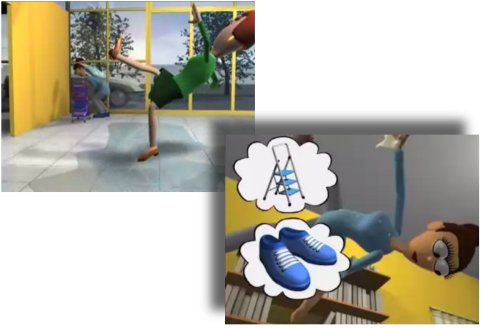
Source: Napo films
Cleaning workers may be exposed to a wide range of chemical hazards from two main sources. First, the cleaning products themselves – used for dirt removal, disinfection or polishing – contains various chemical substances such as solvents, surfactants, film formers (such as wax), acids, alkalines, pigments and fragrances. Second, substances present in the dirt being cleaned can also pose risks, such as oils, greases, surfactants, quartz, minerals, soot and other inorganic substances such as trace metals. These substances may become airborne and can be inhaled during cleaning.
For environmental and cost-saving reasons, cleaning agents are often supplied in concentrated form and then diluted before use. In their concentrated state, these substances can be corrosive and pose risks if not handled properly. Moreover, improper use of cleaning products – such as over-dosing, mixing incompatible substances or applying them incorrectly using products – can trigger unexpected chemical reactions and release dangerous substances. Chemicals may cause respiratory problems when over sprayed, used without adequate ventilation, or applied to hot surfaces. Skin exposure, particularly during prolonged wet work, can also pose risks[2][7].
Depending on the type and level of chemical exposure, health effects range from irritation of the eyes and mucous membranes, skin dermatitis and respiratory disorders (e.g. asthma), to impacts on the central nervous system, reproductive health (including risks for pregnant women), and even cancer. In addition, some cleaning agents, aerosols, and dust may be flammable or explosive[2][7] [10].
Cleaning work involves various physical hazards, including wet and slippery floors, working at height, falling objects, handling sharp items, and contact with moving or rotating machinery, either from cleaning equipment or the surrounding work environment. These hazards can lead to injuries and accidents such as slips, trips, falls, cuts and bruises[7] [10].
Cleaning work is physically demanding and strenuous for the musculoskeletal and cardiorespiratory systems. Cleaners often adopt awkward postures, such as bending forward or twisting the back, due to the poor ergonomics of cleaning equipment or design of the workspace (e.g. confined areas). They also often need to lift heavy objects such as furniture or equipment, and to perform repetitive movements which sometimes require the application of substantial physical effort, for example when scrubbing. The endemic lack of ergonomic further exacerbates the high risk of developing musculoskeletal disorders (MSDs) among cleaners[10] [11].
The use of vibrating equipment can intensify the physical strain caused by awkward postures and heavy lifting, compounding the risk of developing MSDs, particularly those affecting the hand-arm system such as the carpal tunnel syndrome and white finger syndrome[11].
Some cleaning machines produce noise levels that can be stressful for cleaners, especially when several are used simultaneously. Excessive noise can also mask environmental sounds, increasing the risk of collisions and other types of accidents – for example when the cleaners cannot hear approaching people or vehicles.
Electrical hazards may arise from tools and equipment, appliances, wiring, switch panels, outlets or transformers. Damage to wiring is not uncommon, particularly for high-risk cleaning equipment such as rotary disc machines[7].
Cleaning work may expose workers to both hot and cold environments. Heat stress can occur in settings such as restaurant kitchens or laundry rooms, where high temperature and humidity are common. prolonged work in such environment can result in heat rash, intertrigo (chafing), skin maceration, and secondary bacterial or fungal infection, especially among overweight and diabetic individuals. Moreover, direct contact of the skin with external heat sources such as hot objects/surfaces can result in injuries such as contact burns or heat urticaria. Conversely, work may be performed in cold conditions (outside, cold stores, etc.)[7]. Exposure to cold environments can lead to fatigue and reduced dexterity and mobility. It can also increase the risk of injury and cause serious health problems, such as hypothermia and frostbite.
In the healthcare sector, cleaning and maintenance staff may be exposed to high levels of static magnetic fields, particularly in Magnetic Resonance Imaging (MRI) rooms or inside the bore of the magnet. These fields are permanently active even when the MRI is not in use, and can reach very high intensities. Cleaners may also experience static magnetic fields in facilities using Nuclear Magnetic Resonance (NMR) spectroscopy, where the magnet capacity is typically higher than for MRI scans. Exposure to static magnetic fields pose reprotoxic risks for both males and females, including pregnant women[7] [12].
Cleaning workers may also be exposed to various biological agents, including micro-organisms such as bacteria, viruses or moulds. These agents – and their by-products, such as fungal secretions and bacterial endotoxins – can be present in dust and aerosols generated during cleaning activities. The exposure routes are the same as for chemical hazards, i.e. mainly inhalation and dermal uptake, and occasionally ingestion.
Cleaning workers may also be exposed to blood-borne pathogens, particularly in healthcare settings and public places where contact with contaminated needles and sharps is possible. Pathogens present in body fluids pose additional risks.
Exposure to animals – such as pets, rodents and birds – and their secretion or droppings, as well as to insects like mosquitoes, can also lead to infection. Common blood-borne pathogens include HIV and hepatitis B (HBV) or C (HCV), which can cause serious illnesses such as AIDS and liver inflammation. Links have also been identified between cleaning activities and infections with the hepatitis A virus and noroviruses[3].
Several of these biological hazards pose a reprotoxic risk for both males and females, including pregnant women[12].
Cleaning workers are exposed to a range of psychosocial hazards, including time pressure and the need for flexibility due to changing workplaces and schedules. These hazards contribute to elevated stress levels and stress related complications, such as cardiovascular, digestive and immune system disorders[7]. A study from Eurofound[13] explored the job quality of essential workers during the COVID-19 pandemic found that cleaners and refuse workers were among were those with the poorest job quality compared to other groups of essential workers. Their role often combine high physical demands and risks with low job security. The study also highlighted limited support from colleagues and managers, poor access to training and learning opportunities, and poor prospects for career advancement. In addition, half of the cleaners surveyed reported struggling to make ends meet, and many lacked formal representation in their workplace.
Quantitative data on occupational accidents and diseases amongst cleaners is difficult to obtain[7]. Because cleaning jobs are spread across different sectors, implementing consistent monitoring systems is challenging. Furthermore, a significant part of cleaning work is undeclared and therefore not included in any health surveillance and OSH monitoring systems.
An EU-OSHA study (2009) attempted to gather data on occupational accidents of cleaners from Belgium, Germany, Portugal and the UK; and on occupational diseases from Belgium[7]. The findings show that the most important causes of accidents are slips and falls, manual handling of loads (lifting, carrying) and moving objects. The most frequent consequences are bruises, sprains and fractures. More men suffer from occupational accidents than women. This may be explained by the gender distribution of the work; more men are employed in higher-risk cleaning activities such as industrial, refuse and window cleaning[7].
Other studies on work-related diseases from Belgium, Denmark, Finland, Germany, Norway, Portugal, Spain, Sweden, and UK indicate that respiratory diseases, MSDs and skin diseases are the most common health problems associated with cleaning work. The incidence rate of disability seems higher among cleaners than in other groups, and long-term diseases are more common in the sector. A disproportionately high number of cleaners retire early due to incapacity. Skin diseases, such as dermatitis and eczema, are also frequent[7]. Occupational cleaning also increases the risk of respiratory diseases. A systematic review on occupational cleaning and exposure to cleaning products found that cleaners face a 50% increased risk of developing asthma and a 43% increased risk of chronic obstructive pulmonary disease (COPD)[14]. Associations have also been found between cleaning activities and cancer (pancreas, liver, bladder, lungs, cervix, brain glioma, oesophageal squamous cell carcinoma, gastric, leukaemia, and non-Hodgkin’s lymphoma) as well as reproductive health disorders. Finally, the prevalence of mental health problems due to poor organisational conditions tends to be significant in the sector[7] [11].
The situation for domestic workers is often more precarious. Employment issues – such as salary, sick leave, working hours, vacation pay and regulation of duties – may go unaddressed when workers lack fluency, union representation, legal support, or even a formal contract. Domestic workers typically do not have access to workers’ compensation, are unable to report violations, and are often not in a position to leave their employment[15]. Similar vulnerabilities are also common among contract cleaners working through digital platforms, who often face unstable income, limited protections, and few avenues for redress[9].
At the European level, several Directives have been issued to improve OSH i.e. the Framework Directive 89/391/EEC of 12 June 1989 and its ‘daugther’ Directives. The provisions of these directives are enacted through national law in each Member State. The Framework Directive[16] obliges employers to take the necessary measures to ensure the safety and health of workers in all aspects of their work.
Article 6.4 is of special interest to the cleaning sector, where workers have several workplaces, i.e. the service provider and its various clients: '… where several undertakings share a workplace, the employers shall cooperate in implementing the safety, health and occupational hygiene provisions and, taking into account the nature of the activities, shall coordinate their actions in matters of the protection and prevention of occupational risks, and shall inform one another and their respective workers and/or workers’ representatives of these risks'.
The following specific Directives are also important for the sector:
All the OSH Directives and related national laws in all EU Member States require employers and workers to follow general principles of prevention:
The International Labour Organisation (ILO) Convention No. 189 offers specific protection to domestic workers. It lays down basic rights and principles, and requires states to take a series of measures with a view to making decent work a reality for domestic workers. For example, article 13 says: 'Every domestic worker has the right to a safe and healthy working environment. Each Member shall take, in accordance with national laws, regulations and practice, effective measures, with due regard for the specific characteristics of domestic work, to ensure the occupational safety and health of domestic workers.' And article 14 reads: 'Each Member shall take appropriate measures, in accordance with national laws and regulations and with due regard for the specific characteristics of domestic work, to ensure that domestic workers enjoy conditions that are not less favourable than those applicable to workers generally in respect of social security protection, including with respect to maternity.'[20]
The complex situation in the cleaning sector means that an holistic approach is required when it comes to implementing preventive measures. The issues to be addressed include procurement, workload, working time and schedules, work organisation, communication, qualifications, career opportunities, and work satisfaction[5].
Employers, workers, and authorities have all come up with ways to tackle these problems, independently and in combined efforts. Other valuable input has come from institutes, health and accident insurers, and consultants3. Developments in the field have included internet forums procurement guidelines, risk assessment manuals, training syllabi, as well as agreements against unfair competition and dishonest practises[3].
Several initiatives have addressed procurement, developing good practice guidelines[3]. Table 2 provides an overview of measures that can be taken at company level.
Table 2: Most common hazards and related measures in the cleaning sector
| Type of hazards | Subtypes | Prevention and control measures |
|---|---|---|
| Chemical hazards | Chemical substances in dirt, dust, soot particles | Train the workers to safely use, store and mix cleaning products Provide the workers with cleaning tools that attract dust instead of dispersing it Use of appropriate personal protective equipment |
Hazardous substances within cleaning products Wet work | Eliminate or substitute hazardous chemicals or wet work, e.g. by switching to dry or damp cleaning Provide SDS and safety instructions to enable professional or industrial users to take necessary health and safety precautions Use of appropriate PPE | |
| Biological hazards | Fungi, human excreta, blood and body fluids, bacteria, viruses, etc. | Ensure employees wear respirators during work in dusty areas; ensure adequate ventilation Employees should wear PPE Cleaners who come in contact with biological hazards should wash or disinfect their hands |
| Psychosocial hazards | Related to working time: cleaners mostly work outside normal office hours | Set objective targets Make daytime cleaning possible by making some practical changes (e.g. vacuum cleaning early in the morning or using low-decibel vacuum cleaners to avoid disturbing clients). Involve all stakeholders when changing the working hours of the cleaners. Good planning and organisation is needed. |
| Related to violence, harassment and bullying | Have a zero tolerance’ policy to bullying and harassment. Provide mechanisms where incidents can be reported. | |
Related to work organisation: lack of control over work and breaks, high workload and time pressure, working alone | Introduce team-based cleaning with different levels of autonomy for the workers This reduces time spent working alone; it increases responsibility at work to develop personal skills The reduction of the workload and the enrichment of the job content, team-based jobs, and combi-jobs (e.g. jobs that combine caretaking and cleaning) can be introduced to cope with the negative health outcomes | |
| Physical hazards | Ergonomic hazards: Poor working postures (e.g. reaching and stooping) High application of forces (e.g. scrubbing, squeezing, moving and controlling (power) equipment) Repetitive movements (sometimes performed for up to one hour) and insufficient rest periods (all sub-sectors) Lifting and carrying loads (especially in industrial cleaning) Static workloads/equipment (high pressure spraying, overhead cleaning) Working in confined space (e.g. public transport) Poor ergonomic design of the shape, size, adjustment and angle of handles Poor ergonomic design of equipment in general | Consult during the procurement of cleaning tools and the design of buildings and furniture. Provide equipment and machines with adequate capacity, equipment that is adapted to the physical needs of the workers, enough workspace and essential accessories (e.g. gloves) It is essential that purchasers take into account the particular requirements of the cleaners before equipment is purchased The interior design of buildings should be adapted to facilitate cleaning work. Cables on floors and behind desks that force cleaners to squat and crawl to lift the cables while cleaning should be avoided Cleaners should be properly trained to use their equipment Employees should follow structured training on equipment use and health and safety, installation and maintenance procedures, monitoring and early warning systems for musculoskeletal health problems |
| Electrical hazards | Electrical equipment should be well maintained and routinely checked, repaired or replaced, and cleaners should inspect equipment for damage before use | |
| Noise, ambient or produced by cleaning equipment (such as vacuum cleaners) | Production of quieter machines Provision of personal hearing protection | |
| Vibrations (caused by vibrating equipment) | Selection of tools that have minimal vibration Equipment should be properly used and well maintained | |
| Slips, trips and falls | Adequate and regular floor cleaning is essential in controlling slips, trips and falls. However, the process of cleaning can itself lead to trips, slips and falls due to wet surfaces, obstacles during cleaning, electrical cables, etc. Slip-resistant flooring surfaces and proper working shoes are essential to avoid risks. Use cable-free machines | |
| Thermal climate (high temperature and high relative humidity) | Cleaners should be instructed to recognise the symptoms of heat stress | |
| Work equipment | Ergonomic design of work equipment (e.g. its weight and length) Safe design of work equipment (e.g. no accessible sharp parts, or 'hot spots' | Employers should provide their employees with properly designed equipment, which should accommodate the physical dimensions and strength of a wide range of potential users Employers should also provide appropriate PPE |
| Work at height | Falls from ladders | Use extension handles instead of climbing up ladders Use safety ladders |
Source: EU-OSHA[3], supplemented by author
EU-OSHA began in 2009 to develop a web application (tools generator) to create interactive risk assessment tools (OiRA tools). These OiRA tools help micro and small organisations to put in place a risk assessment process – starting with the identification and evaluation of workplace risks, through decision making on prevention and action, to monitoring and reporting. Social partners of the cleaning sector have developed their own OiRA tool for the sector on European level. In addition, several OiRA partners have developed a national OiRA tool for the cleaning sector[21].
These OiRA tools allow small cleaning companies and self-employed cleaners to do their legally required risk assessment in a time effective manner and at the same time find a comprehensive inventory of up-to-date prevention and control measures, whereby they can select the most appropriate for their businesses.
By improving the health and safety of their workers, companies benefit by having healthier, confident and better qualified staff, and also improve their company image. There are also economic benefits:
[1] Eurostat. NACE – overview. Available at: https://ec.europa.eu/eurostat/web/nace
[2] Messing, K., Indoor cleaning services, ILO encyclopaedia, 2003. Available at: https://www.iloencyclopaedia.org/part-xvii-65263/personal-and-community-services/item/966-indoor-cleaning-services
[3] EU-OSHA – European Agency for Safety and Health at Work. Preventing harm to cleaning workers. Report, 2009. Available at: https://osha.europa.eu/en/publications/preventing-harm-cleaning-workers
[4] European Cleaning and Facilities Services Industry (EFCI). Available at: https://www.efci.eu
[5] FORSA - Forschungs- und Beratungsstelle Arbeitswelt, The Cleaning Sector: Office Cleaning, Work and Life Quality in New & Growing Jobs, Wien, 2012.
[6] EFCI. EFCI’s Industry Report 2021: Covid-19 impact analysis. Available at: https://www.efci.eu/wp-content/uploads/2023/12/EFCI_Procurement_leaflet.pdf
[7] EU-OSHA – European Agency for Safety and Health at Work. The occupational safety and health of cleaning workers. Literature review, 2009. Available at: https://osha.europa.eu/en/publications/occupational-safety-and-health-cleaning-workers
[8] EU-OSHA – European Agency for Safety and Health at Work. From riders to nurses, cleaners and translators: explore the diverse profiles of platform workers. News, 25/04/2024. Available at: https://healthy-workplaces.osha.europa.eu/en/media-centre/news/riders-nurses-cleaners-and-translators-explore-diverse-profiles-platform-workers
[9] Gruszka, K., Pillinger, A., Gerold, S., Theine, H. Platform Cleaners: And the beat goes on. Platform labor, Guest post, 27 January 2023. Available at: https://platformlabor.net/blog/platform-cleaners-and-the-beat-goes-on
[10] HSE – Health and Safety Executive. Cleaning. Available at: https://www.hse.gov.uk/cleaning/index.htm
[11] Krueger, D., Louhevaara, V., Nilsen, J., Schneider, T. (eds), Risk Assessment and Preventive Strategies in Cleaning Work, Werkstattberichte aus Wissenschaft + Technik. Wb 13, Hamburg, 1997.
[12] EU-OSHA – European Agency for Safety and Health at Work. Summary: State-of-the-art report on reproductive toxicants. Report, 2017. Available at: https://osha.europa.eu/en/publications/summary-state-art-report-reproductive-toxicants
[13] Eurofound (2023), Job quality of COVID-19 pandemic essential workers, European Working Conditions Telephone Survey series, Publications Office of the European Union, Luxembourg. Ava https://www.eurofound.europa.eu/en/publications/2023/job-quality-covid-19-pandemic-essential-workers
[14] Archangelidi, O., Sathiyajit, S., Consonni, D., Jarvis, D., & De Matteis, S. (2021). Cleaning products and respiratory health outcomes in occupational cleaners: a systematic review and meta-analysis. Occupational and Environmental Medicine, 78(8), 604-617.
[15] Babin, A., Domestic workers, ILO encyclopedia, 2003. Available at: https://www.iloencyclopaedia.org/part-xvii-65263/personal-and-community-services/item/973-domestic-workers
[16] Council Directive 89/391/EEC of 12 June 1989 on the introduction of measures to encourage improvements in the safety and health of workers at work. Available at: https://osha.europa.eu/en/legislation/directives/the-osh-framework-directive/1
[17] Council Directive 98/24/EC of 7 April 1998 on the protection of the health and safety of workers from the risks related to chemical agents at work (fourteenth individual Directive within the meaning of Article 16(1) of Directive 89/391/EEC). Available at: https://osha.europa.eu/en/legislation/directive/directive-9824ec-risks-related-chemical-agents-work
[18] Council Directive 90/269/EEC of 29 May 1990 on the minimum health and safety requirements for the manual handling of loads where there is a risk particularly of back injury to workers (fourth individual Directive within the meaning of Article 16 (1) of Directive 89/391/EEC). Available at: https://osha.europa.eu/en/legislation/directive/directive-90269eec-manual-handling-loads
[19] Council Directive 89/656/EEC on the minimum health and safety requirements for the use by workers of personal protective equipment at the workplace (third individual directive within the meaning of Article 16 (1) of Directive 89/391/EEC). Available at: https://osha.europa.eu/en/legislation/directives/4
[20] ILO - International Labour Organization, C189 - Domestic Workers Convention, 2011. Available at: https://normlex.ilo.org/dyn/nrmlx_en/f?p=NORMLEXPUB:12100:0::NO::P12100_ILO_CODE:C189
[21] OiRA. Available at: https://oira.osha.europa.eu/en/oira-tools?f%5B0%5D=sector%3A1185&page=%2C0
EU-OSHA – European Agency for Safety and Health at Work. Preventing harm to cleaning workers. Report, 2009. Available at: https://osha.europa.eu/en/publications/preventing-harm-cleaning-workers
EU-OSHA – European Agency for Safety and Health at Work. The occupational safety and health of cleaning workers. Literature review, 2009. Available at: https://osha.europa.eu/en/publications/occupational-safety-and-health-cleaning-workers
EU-OSHA – European Agency for Safety and Health at Work. Preventing harm to cleaning workers. Factsheet 86, 2009. Available at: https://osha.europa.eu/en/publications/factsheet-86-preventing-harm-cleaning-workers
EU-OSHA – European Agency for Safety and Health at Work. Managing psychosocial risks with cleaning workers. E-fact 51, 2010. Available at: https://osha.europa.eu/en/publications/e-fact-51-managing-psychosocial-risks-cleaning-workers
Téma kiválasztása